Category: Film club

  • Werckmeister Harmonies: even more relevant today

    Werckmeister Harmonies: even more relevant today

    This was the first in a series of seven Art House Films with my good friend Bill Crandall. It was also – along with The Secret of Kells the one that had the biggest impact on me.

    It was my introduction to Bela Tarr – master of the long shot – and it was definitely a red pill/blue pill moment. Take the red pill if you want to beat brain rot and see the world for what it is through a series of carefully curated films. Take the blue pill if you want to remain in the comfort zone of rehashed Romantic Comedies and doom scrolling.

    I definitely took the red pill. And boy was I glad.

    Side note: if you don’t know what I’m talking about with red pill and blue pill, you need to watch The Matrix.

    What’s it about

    Much like most of Tarr’s work, this takes place in some rural setting in Hungary. It’s a quiet town with a town square and residents milling about, going through the motions without a sense of purpose, waiting for the arrival of a “circus” comprised of a giant stuffed whale and a false prophet that we never actually see.

    On cue, the residents descend into anarchy, destroying a hospital before the most pitiable scene stops the chaos and they all go back to their purposeless lives.

    Open your eyes

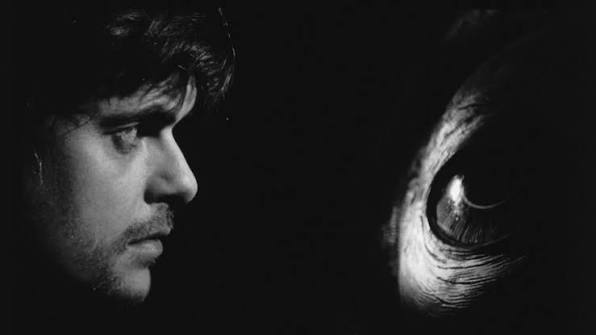
    Our main character Jànos, played by Lars Rudolph, is easily distinguishable by his intellect and deep, penetrative gaze. His eyes literally do most of the talking throughout the film. You see curiosity peak at wonder and then descent into disbelief, horror and – ultimately – total despondency as the film unfolds.
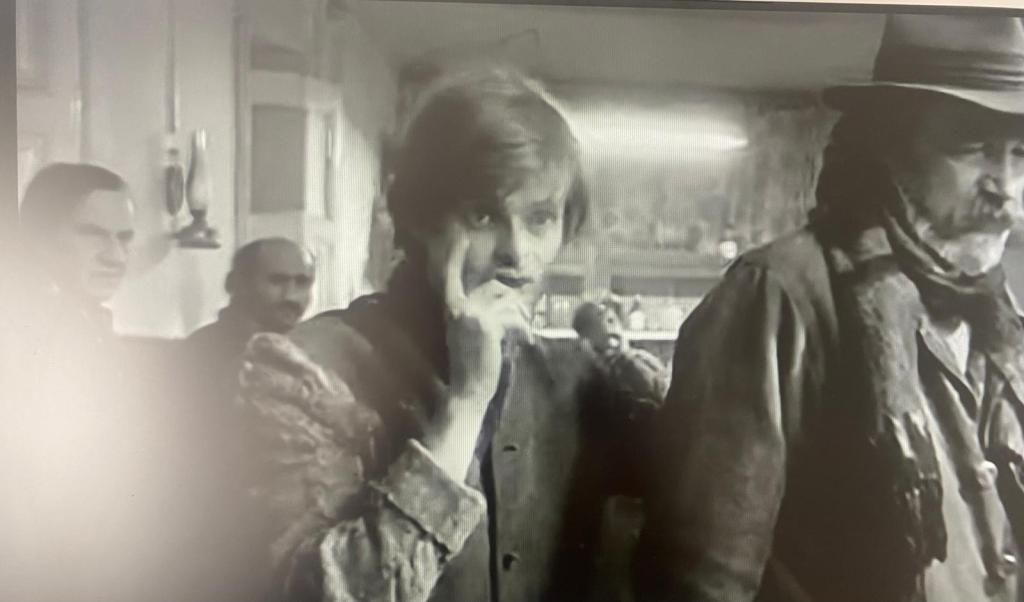
    Curiosity as he explains how the solar system works
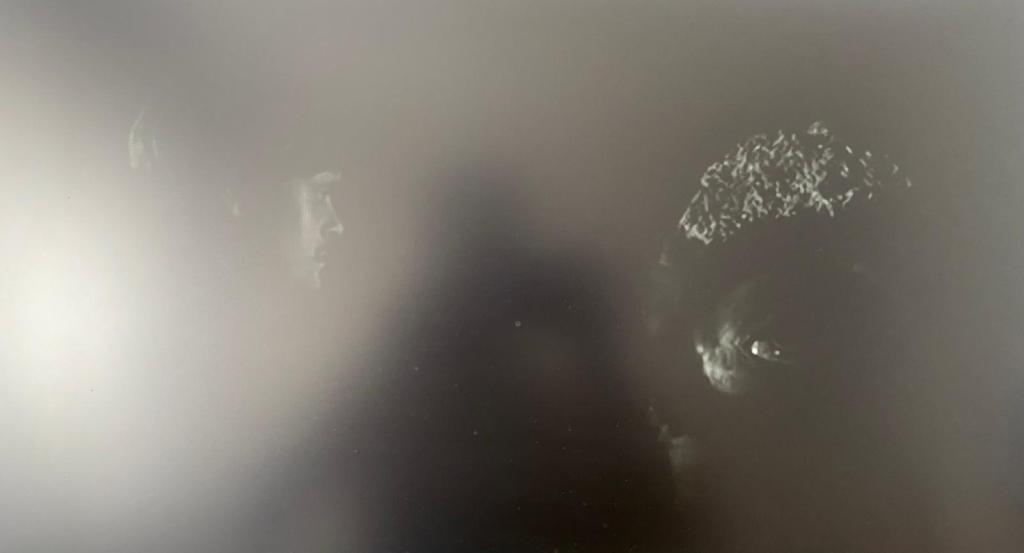
    Looking the miracle in the eye with a sense of wonder
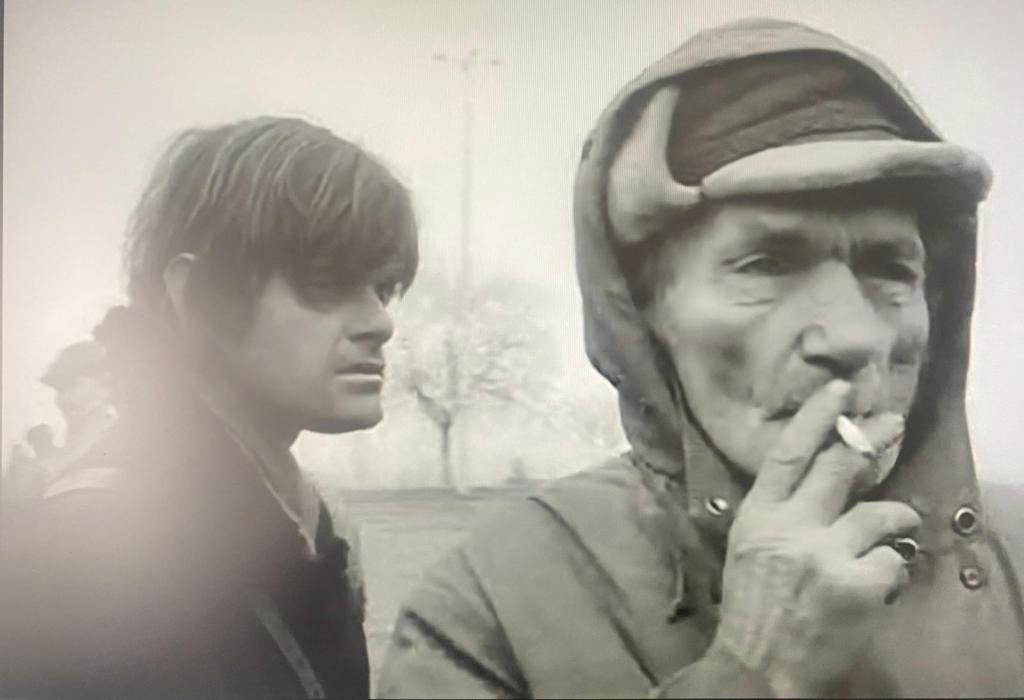
    Disbelief that they can’t see it, when it’s right in front of them
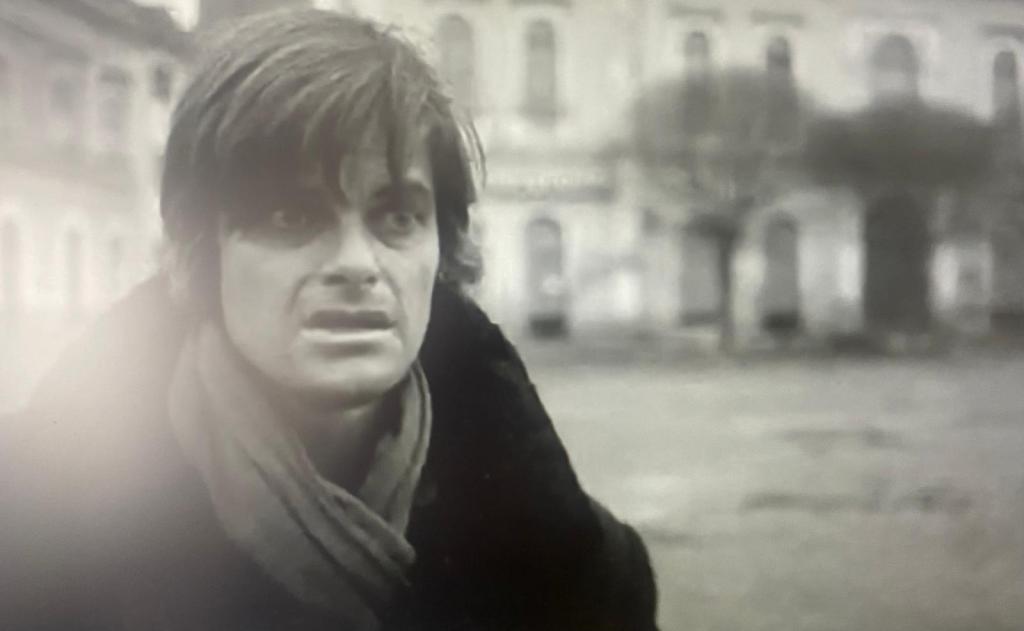
    Shock and horror at what unfolds
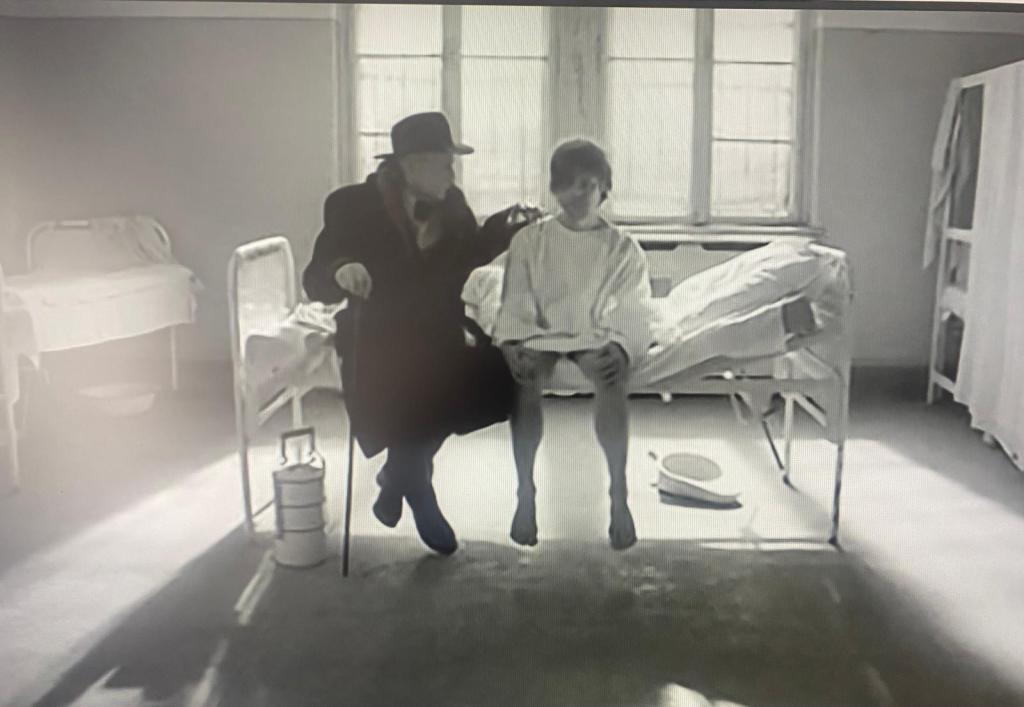
    Total despondency as he’s institutionalised

    We see the world through Jànos’ eyes. He – like the rest of the residents – is intrigued by the circus’ arrival. But unlike the rest of the residents, he’s more captivated by the giant stuffed whale than this so-called prophet who will supposedly perform some kind of miracle.

    He claims that the whale is the true miracle. And he’s most certainly right.

    A creature of such magnificence

    World, can’t you see?

    The miracle you’ve all been waiting for

    Is right in front of thee.

    Inspired by Jànos

    This reminds me of a little anecdote from my own life.

    Growing up in a staunch Hindu household, I was surrounded by people constantly looking for miracles in the sky. And every now and again, a so-called “prophet” would come into town and charge a lucrative amount to perform some kind of miracle.

    Once, I accompanied my Mum to see one of these prophets. There must have been a thousand people stuffed in the community auditorium where the event took place!

    Our rockstar prophet took to the stage. He wasn’t much to look at: scrawny, bald, long beard. But when he raised his hands, the entire auditorium went silent.

    It turned out this man had an active “third eye” and could see into your future. I watched as he invited the ones with VIP passes to read their fate. It was all the usual bollocks: “yes, yes I see great fortune in your future” (man gambled his family fortune away and now lives on the dole in the UK). “Ah, a great romance awaits you” (divorced twice, lives alone in a small town).

    At some point, I noticed a group of ants moving a bread crumb along on the floor. I stopped listening and just watched this incredible display of teamwork. And even though I was too young then to really grasp what was happening, looking back, I must have been like Jànos in that moment.

    Here was a real life miracle happening right in front of my very eyes. A group of tiny creatures somehow being so coordinated as they move that piece of bread from one place to another. Instead, everybody is so focused on watching this “prophet” (wrongly) predict people’s futures.

    My Mum noticed me not paying attention and elbowed me hard in the ribs. Back to the “prophet” it was.

    The truth is, miracles happen right in front of us every single day. They might not be huge or biblical in any way. But they are still reminders that life is beautiful, that if we open our eyes and just take a look around instead of waiting for some great, big cosmic gesture, we might actually see something real.

    To me, that was the essence of the film. Only one man could really see things for what they were. It seems to be a recurring theme in Tarr’s body of work.

    Take Satantango for instance. A small farming commune waiting for a Messiah to lead them to the promise land, when their own lives are falling apart right in front of their eyes.

    Most people are still waiting on that one miracle to bail them out, when the true miracle is in the day to day, how you live your life, whether you choose to open your eyes, or keep them closed.

    Awakening

    Watching Werckmeister Harmonies sparked something in me. Previously, when I had to go pick my son up from school, I’d rush out of the house, zoom down to campus, get him and zoom back. It was perfunctory, without a sense of purpose or even appreciation.

    After the film, I consciously decided to slow things down. Literally and metaphorically. After getting my son, I took a longer, albeit more scenic route back home. I took it down from 70 plus to 40, put on the soundtrack (there are two) from Werckmeister Harmonies, and actually took a moment to see.

    And that’s when I realised there’s so much we take for granted every single day. The two gardeners sharing a mandazi, donut, having tea in chipped mugs and laughing as they lounged on a grassy bank in the Sun. A lady, probably in her seventies, heaving a large basket of provisions to sell as she made her way slowly up the road. A family of monkeys going across the road, overhead on a wire, the baby hanging upside down, clinging on to its mother’s belly.

    By the time I got home, I felt so enriched, so fulfilled, it was as though I’d taken my first breath in a long, long time.

    Cinematic bliss

    The themes and narrative aside, Tarr’s filmmaking prowess lies in the quality of the shot. Each frame feels like a moving black and white photograph and he uses chiaroscuro to really bring out the meaningful elements in every frame.

    It was also the first time that I actually lived in the film. For example when Jànos and the pianist are walking down a road. And they’re just walking and walking and you’re walking with them for four and a half minutes of screen time. Another feature of Bela Tarr’s filmmaking. He lets scenes breathe and as a result, you actually get to breathe as well.

    All in all, Werckmeister Harmonies is more relevant today than ever before. It takes one nudge to storm the Capitol or to unleash racist abuse on the internet targeted at black footballers.

    And when people don’t see, they look to the sky (or their screens) hoping to find an answer, when the answer they’re looking for is actually right in front of them.
  • John Carney: or how I learned to stop worrying and love art

    John Carney: or how I learned to stop worrying and love art

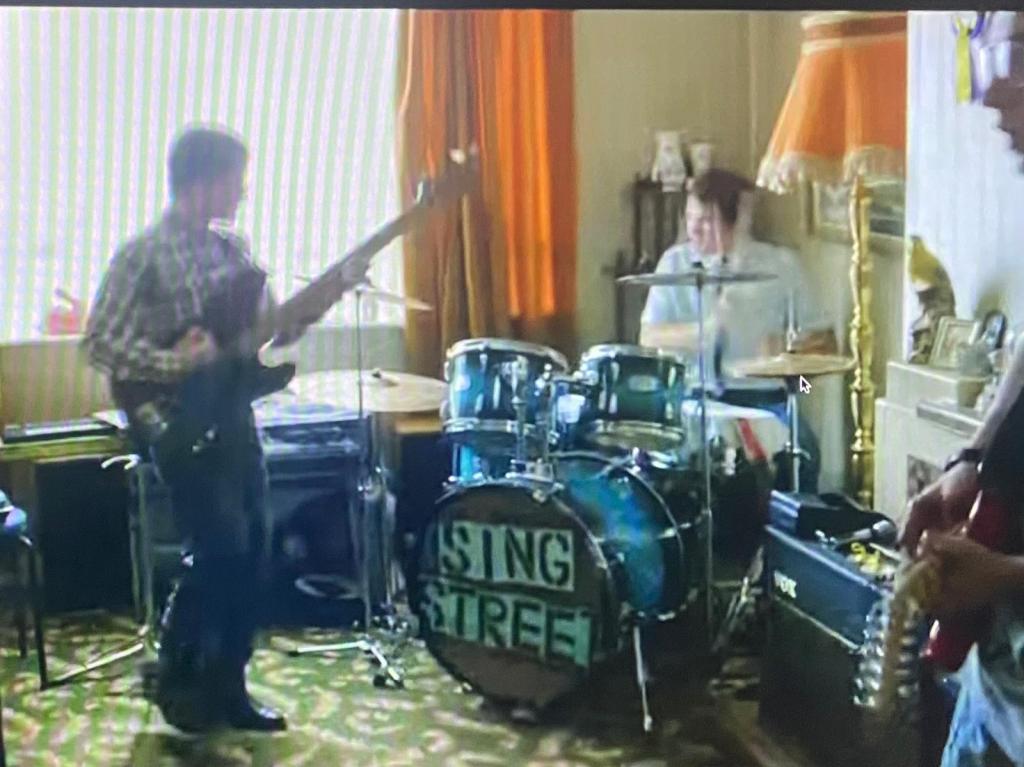
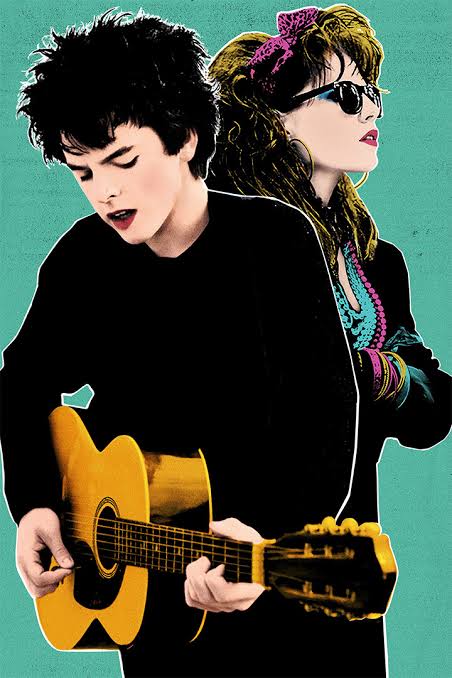
    The first time I consciously became aware of John Carney’s films was in 2016 with his indie hit Sing Street. And then I realised I’d already experienced another of his hits three years prior; Begin Again starring Mark Ruffalo and Keira Knightly. More recently I caught Flora and Son on Apple TV.

    There seems to be a recurring theme across all his films: even in the darkest of times, when all hope seems to be lost, from the pits of despair, art can well and truly save the world.

    Warning: if you haven’t seen any of these films, this post may contain spoilers.

    Just fucking do it

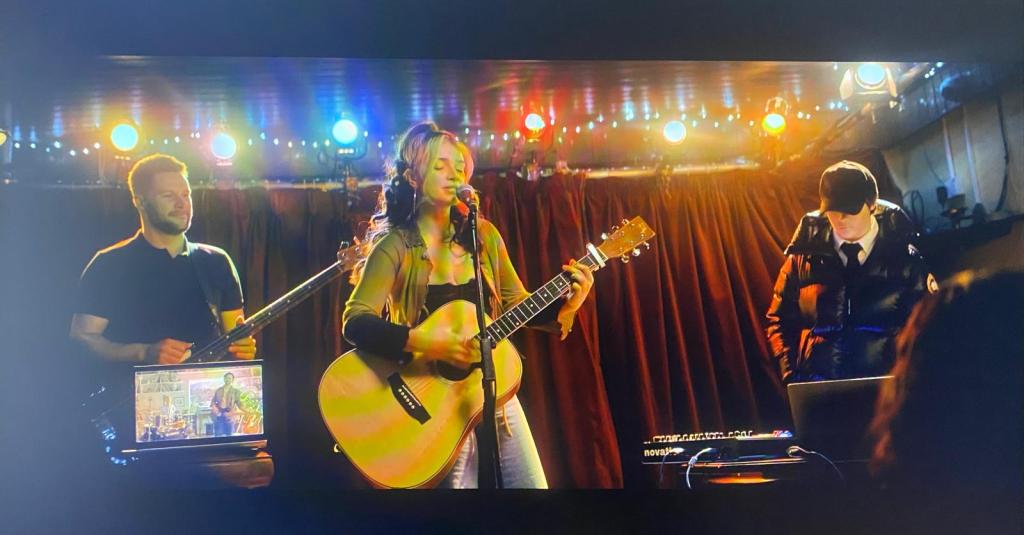
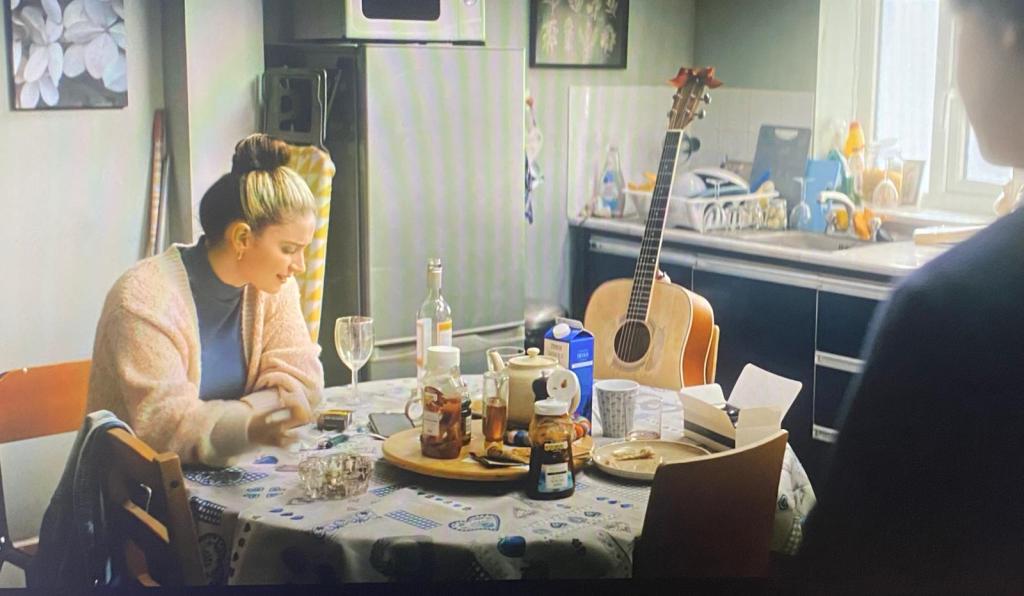
    The last line in Flora and Son literally is “you’re fuckin’ shite” in reference to Flora’s (played by Bono’s daughter, Eve Hewson) open mic performance. And on some level, she probably already knew that it was going to be shite.

    But that didn’t stop her. Teaming up with her talented producer son, she put together a banger that may just have been a little ahead of its time. But it wasn’t the song that had an impact. It was the timing.

    Flora, just like Conor Lawlor in Sing Street, has nothing to live for. She has a crappy relationship with her son, separated from her husband and has to wipe bums (literally) as a child minder for a living.

    Similarly, Conor has been demoted to public school, doesn’t own a pair of black shoes, his parents are getting divorced and, to top it all, he gets on the wrong side of the class bully.

    Both films have two things in common: 1) Jack Reynor and 2) the “victims” turn to art (music) as a way out of their miserable state of affairs.

    And that’s exactly what’s needed now more than ever.

    How art can save lives

    I want to add Greta from Begin Again, played by Keira Knightly, into the mix. Overshadowed by her sexy rockstar boyfriend (I see you Adam Levine), Greta decides to take matters into her own hands and, with the help of a burned-out record executive, Dan (pre-hulk Mark Ruffalo), she finds her voice, her confidence and grit to step out of her ex-boyfriend’s shadow. Only thing missing in Begin Again is Jack Reynor.

    The three instances I’ve highlighted are a reflection of what happens every single day. Somewhere, somehow, there’s a person sitting on the next great American novel, a killer musical composition or even a screenplay waiting to be green lit by Hollywood’s finest.

    But most people don’t… act. They sit in fear of being judged and allow the passages of time to wash their creativity away, until one day they wake up on their death beds and realise their entire life has been pointless.

    So if you have a gift, whether that’s painting, writing, music or something else, wake up. Wake the fuck up.

    The world needs you and your art. And it needs it now.

    How Bill Crandall and Film Club saved my life

    I once aspired to be a novelist. In my twenties, I actually spent one summer writing day and night and came up with a couple of half-decent manuscripts.

    A few years after that I took a sabbatical to focus on two more novels, both of which I managed to complete and circulate to literary agents for representation.

    And then COVID hit, the publishing industry was turned upside down and I didn’t hear back from any of the agents who had requested my manuscripts.

    I lost hope. I turned to other endeavours as a way out (mainly becoming a copywriting hack) and told myself that it’s okay. That the world didn’t need me or my art. That I would do just fine without it.

    And then a few weeks back I met Bill Crandall at a party. We started talking about films and by the end of the night, agreed to meet up once a week for a showing at his house. There’s a separate post dedicated to this experience here.

    What I wanted to say was that through a series of art house films – and Bill’s encouragement – my wobbling hand finally picked the pen up again. I started this blog, blew the dust off my shelved novels and just started flexing my previously atrophied creative muscles again. And let me tell you: it feels fucking good.

    It doesn’t matter if it’s “good” or not

    Coming back to that last line in Flora and Son, (“you’re fuckin’ shite”) one thing I’ve learned is that it doesn’t matter what somebody else thinks about your art. If you enjoy doing it, like really enjoy, everything else will fall into place.

    Another scene that perfectly captures this sentiment is in Sing Street when Conor stands up to the bully and says, “you only have the power to stop things, but not to create” and that shit hits hard.

    Destructive forces are at hand. We have “AI creators” now and Elon Musk thinks Grok can make a better version of Nolan’s Odyssey (as if). It’s up to us now to take a stand.

    Let John Carney’s characters do the talking

    For when you fear being mocked:

    “Rock and roll is a risk. You risk being ridiculed” – Brendan to his brother, Conor

    For when you think you need to know how to do everything 100% right:

    “Did the Sex Pistols know how to play? You don’t need to know how to play. Who are you, Steely Dan? You need to learn how NOT to play, Conor. That’s the trick. That’s rock and roll. And THAT… takes practice.” Brendan again.

    If you feel like life is “meh”:

    “One of the most banal scenes is suddenly invested with so much meaning! All these banalities – They’re suddenly turned into these… these beautiful, effervescent pearls. From Music.” – Dan (Mark Ruffalo) in Begin Again

    And then this exchange between Dan and Greta in Begin Again perfectly captures the quintessence of John Carney and how art can change lives:

    Dave: But we’re just gonna have to find a way to get through this, get through this together.

    Greta: When did you, like, when did you realize that?

    Dave: When you sang to me on my voice mail. I realized that nobody on Earth in their right mind would ever do anything remotely like that, and… that killed me. That crushed me. You… completely won me over.

    Greta: You know, I wasn’t actually trying to win you over. I was trying to tell you to fuck off.

    Bottom line

    Here it is: tune up that guitar, fill up that pen, dust off that typewriter, and then – immerse. Immerse. Immerse. If not for you then for the world.

  • Do The Right Thing – Does Anyone? (contains spoilers)

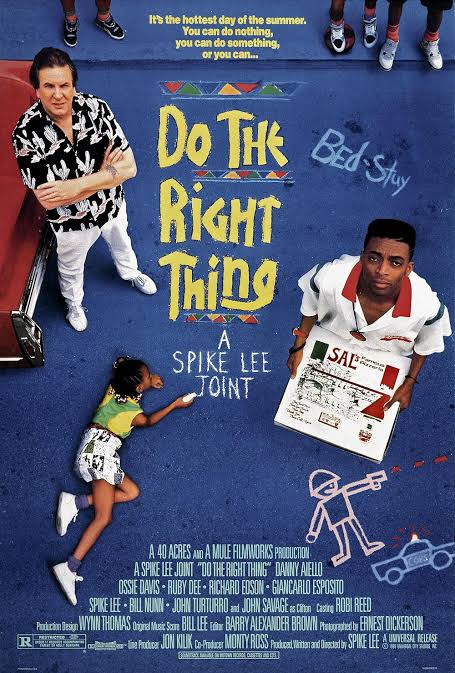
    It’s the hottest day in Brooklyn. The sweat-drenched inhabitants of the “Bed-Stuy” neighbourhood move about in a haze, while Sam Jackson (before he became Samuel L) plays some tunes on the local-local radio station that nobody seems to be tuned into.

    Pick a beat and let me lay out a fresh verse.

    Hot days and nights/ I swelter/ runnin from the fuzz/ helter skelter/ two hundred degrees don’t need no sweater/ blast Fight the Power on my sound dispenser.

    Grab a slice at Sal’s/ I see walls/ wait a minute/ where’s magic Marley Marl?/ Fuck Sal/ Fuck up his joint/ Wait stop! What bout ma pizza? Man fuck yo pizza, this man don’t ‘preciate none of us brothers.

    So what we gonna do? Boycott? Violence? What’s the right thing?

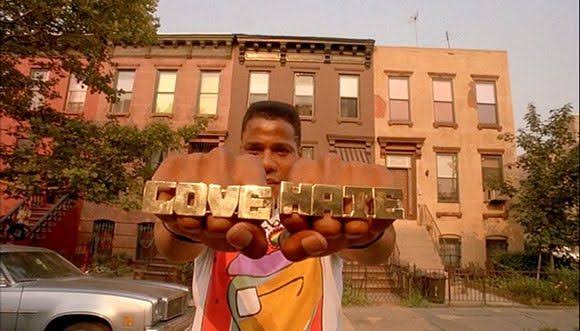
    Left fist hate/ Right fist love/ Fight the Power/ A sign from above.

    Call on X, call on Martin, one of these brothers/ They Do the Right Thing.

    If you want to add a few bars, please do so in the comments!

    Does anyone do the right thing?

    Let’s analyse.

    Sal, owner of Sal’s Pizzeria, refuses to put up pictures of black men on his wall, despite majority of his customers being black. Is he doing the right thing?

    Young Giancarlo Esposito wants to boycott the pizzeria because of this. Is he doing the right thing?

    Radio Rakim wants to play his music inside Sal’s, despite being told not to. Is he doing the right thing?

    The local old drunk saves a boy’s life. But he still gets shit for it. Did he do the right thing?

    Three black men are bitter because a Korean family that only just came into town already have a thriving business. Is that the right thing?

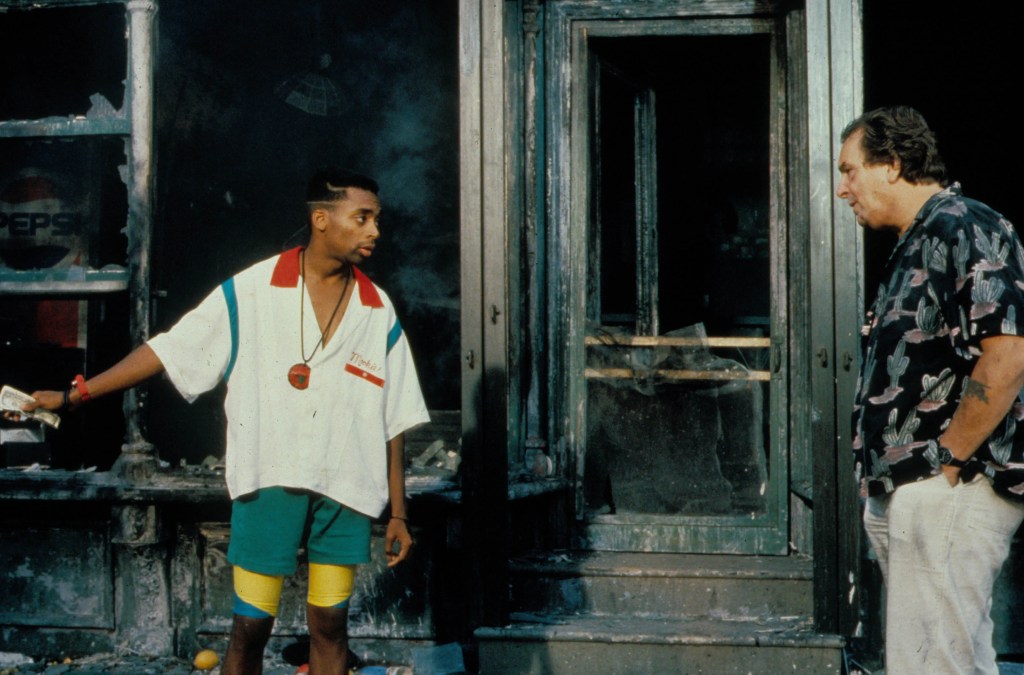
    Spike Lee, who works for Sal, takes the additional $250 thrown at him towards the end of the film, even though he didn’t earn it. Did he do the right thing?

    My two cents

    The truth is, nobody does the right thing. Nobody does the wrong thing. Right. Wrong. These are two bookends on either side of a whole lotta grey matter. And it’s that grey matter that actually… matters.

    In fact, if you ask me, Sal sits perfectly at the intersection of these two extremes. He is equanimity personified (except for his final outburst).

    He doesn’t really see black and white. He just sees customers. And his only job is to take care of these customers so they can keep coming back.

    And he says so himself:

    I never had no trouble with these people. I sat in this window. I watched these little kids get old. And I seen the old people get older. Yeah, sure, some of them don’t like us, but most of them do. I mean, for Christ’s sake, Pino, they grew up on my food. On my food. And I’m very proud of that.

    So… do you think anybody actually does the right thing? I’d love to hear your thoughts! All said and done, this was a masterclass production by the one and only Spike Lee.

  • Let The Right One In – who are the real monsters? (spoilers ahead)

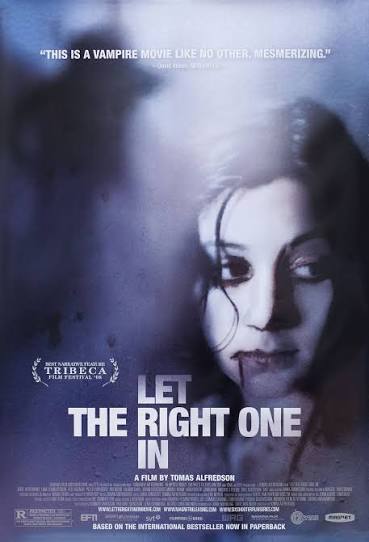
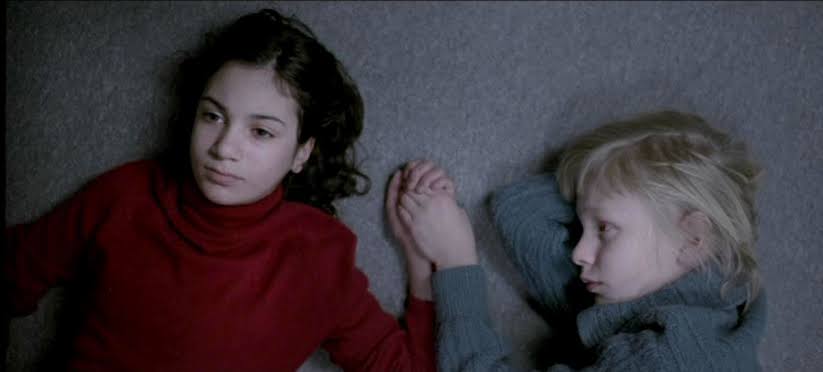
    Imagine for a second living next door to a vampire. Let me say that again. Imagine that your next door neighbour is, yes, a vampire. And somehow… you knew?

    Not just that. They appear “attractive” to you. They appear to be the same age. They don’t appear to be scary at all. And yet, at full moon, when blood lust is at its peak, they need to feed.

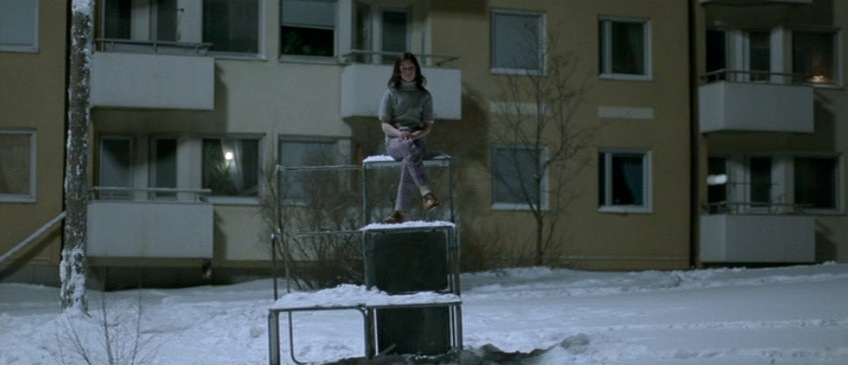
    Now imagine all this taking place in a suburban neighbourhood in Sweden.

    What I’ve just described to you is the plot of just about any vampire story. Boy meets girl, or girl meets boy. Boy/girl turns out to be a vampire. Will they. Won’t they. Can they.

    More than just a “vampire” film

    Tomas Alfredson’s eerie retelling of an age old story isn’t your typical “falling in love with a vampire” teenage drama. It’s so much more than that.

    To begin with, Alfredson has done away with all the usual cliches. The fangs. The jump scares. The cheesy drama.

    The fearful aspect of the film actually kind of creeps up on you in the most unexpected way. So much so, you don’t actually think about it until after you’ve seen the film.

    Packed with moral ambiguity – a running theme throughout film club – it provoked quite a few existential questions.

    Questions like: who really are the monsters? Take your pick: the negligent parents who don’t really know what their kids are up to behind closed doors. The aloof teachers who just stand by and let horrors aplenty unfold without consequence. The estranged, alcoholic father who’s all but given up on his family. Or – probably the most obvious one – the school bullies who go out of their way to make the misunderstood kids feel uncomfortable.

    Note that in my list I haven’t mentioned vampires. Not once.

    And that’s because, to me at least, poor Eli isn’t a monster at all. They are a victim of a great atrocity (there’s no real backstory in the film, but there’s a book for that) committed centuries prior. And they’re living with those consequences, doing whatever they can to survive. This is captured perfectly in this exchange between Eli and Oskar:

    Oskar: I don’t kill people

    Eli: No, but you’d like to. If you could… to get revenge, right?

    Oskar: Yes.

    Eli: Oskar, I do it because I have to. Be me, for a while.

    Eli’s moral ambiguity

    I’ve established that Eli isn’t inherently bad. They kill because they have no choice. If they don’t get blood, they can’t survive. But does that mean Eli’s… good?

    Who’s to say. There are a couple of instances where Eli does kill. And it’s not to feed. I won’t say much more about this as those scenes (and the film) are worth watching, but it does beg the question: has Eli bent their rules before? Or are they doing it just for Oskar?

    One thing’s for certain. The divide between good and evil is blurred. And I think I can capture it in a short verse inspired by the film:

    Twelve in all perpetuity,

    Thirteen I’d never been,

    Yet all the world’s atrocities

    With these eyes, I have seen

    Unseen have I remained

    Though strange I may seem

    Only those stranger still

    Will pay me any heed.

    Centuries I have roamed this world

    Centuries more I expect to roam

    And though you may be twelve

    And perhaps someday thirteen

    I’ll keep you by my side

    Until you perish, my sweet.

    One last thing. If your neighbour turns out to be a vampire, give them the benefit of the doubt. They’re not the monster you should be afraid of.

  • Ida: Pawlikowski’s haunting masterpiece (with spoilers)

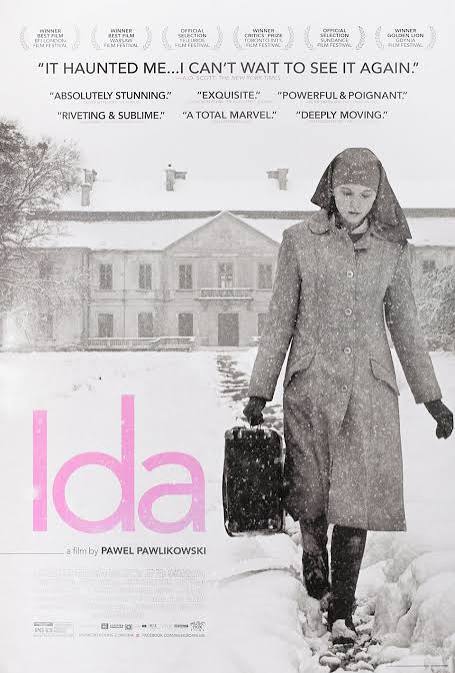
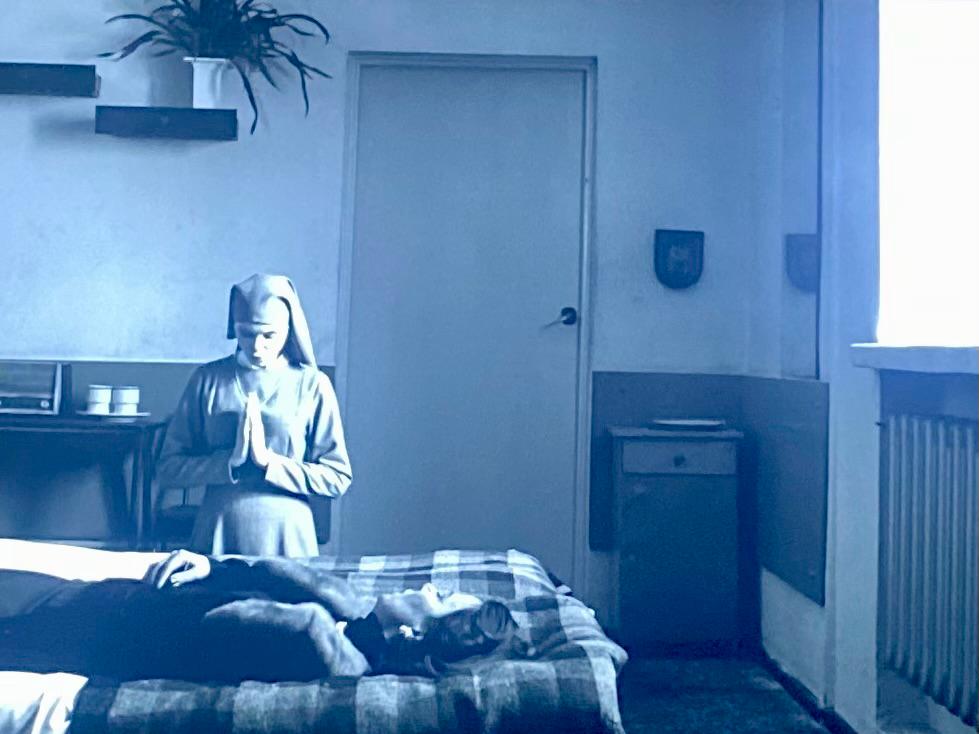
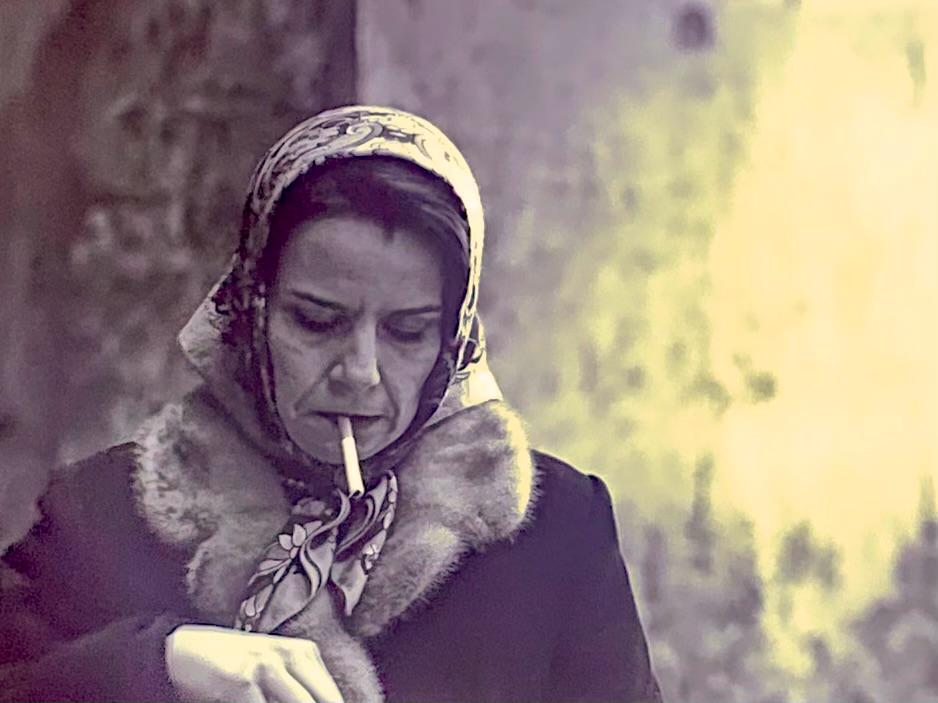
    Set in a bleak post-war Poland in 1962, the story follows a young girl, Anna (nee Ida), who joins a convent after she’s orphaned.

    Just as she’s about to take her vows, her Jewish heritage comes to light and she’s sent to her only known relative; a Devil-may-care aunt.

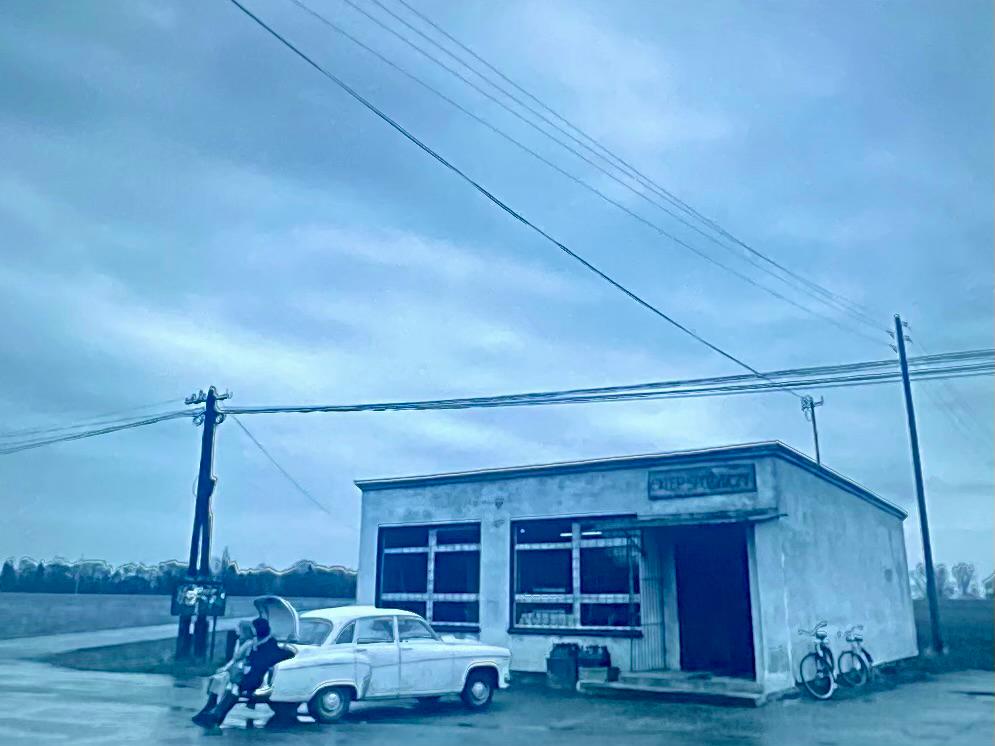
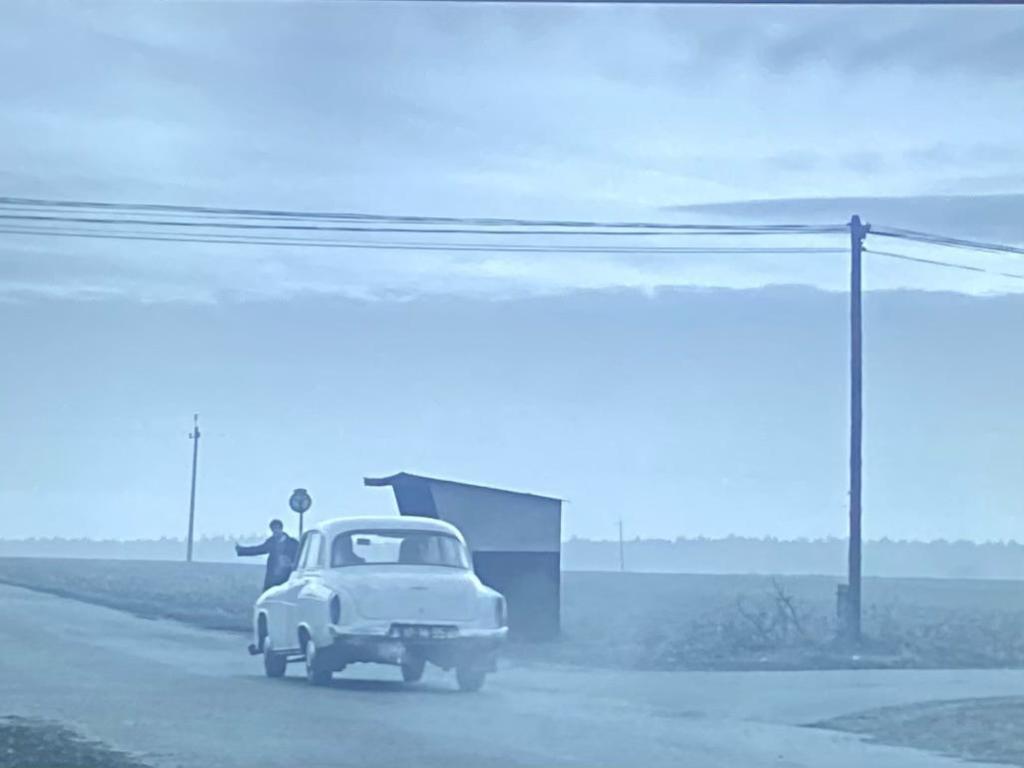
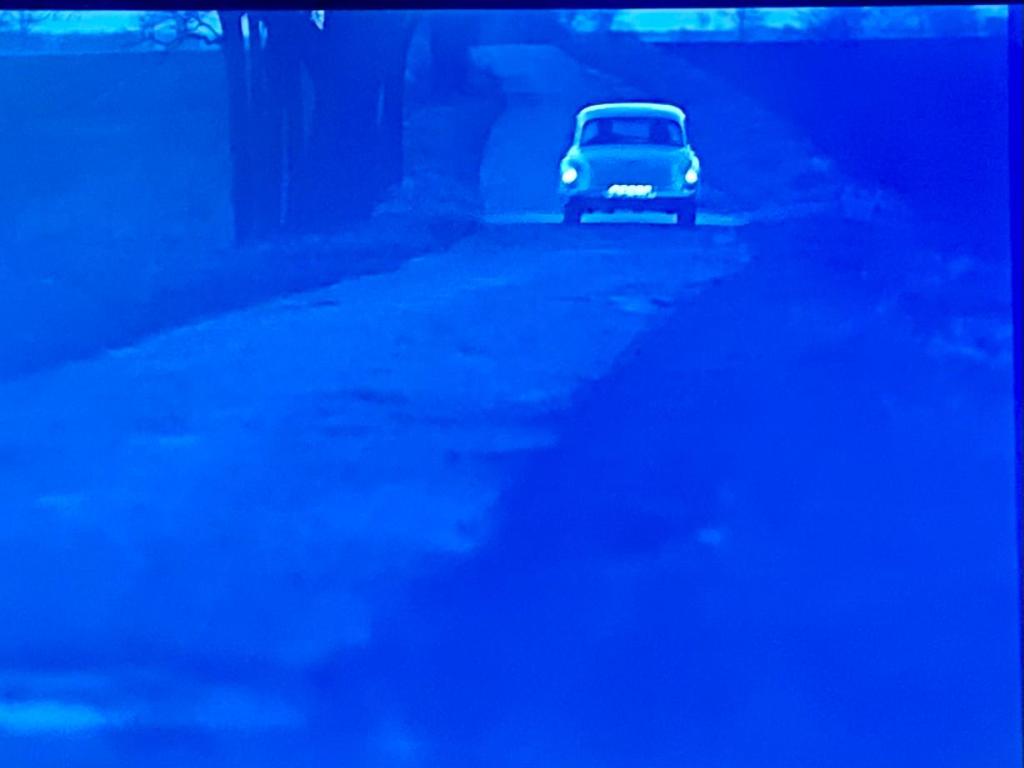
    Keen to find out what happened to her parents, Ida and her aunt set off on a road trip. And so begins a great Odyssey through pain masqueraded as nonchalance, with themes of suffering, resistance and anti-Semitic sentiment raising the roof of this stunning piece de resistance.

    Aunt Wanda steals the show

    Ida, for her part, was fantastically portrayed by Agata Trzebuchowska, who was apparently discovered at a cafeteria in Poland.

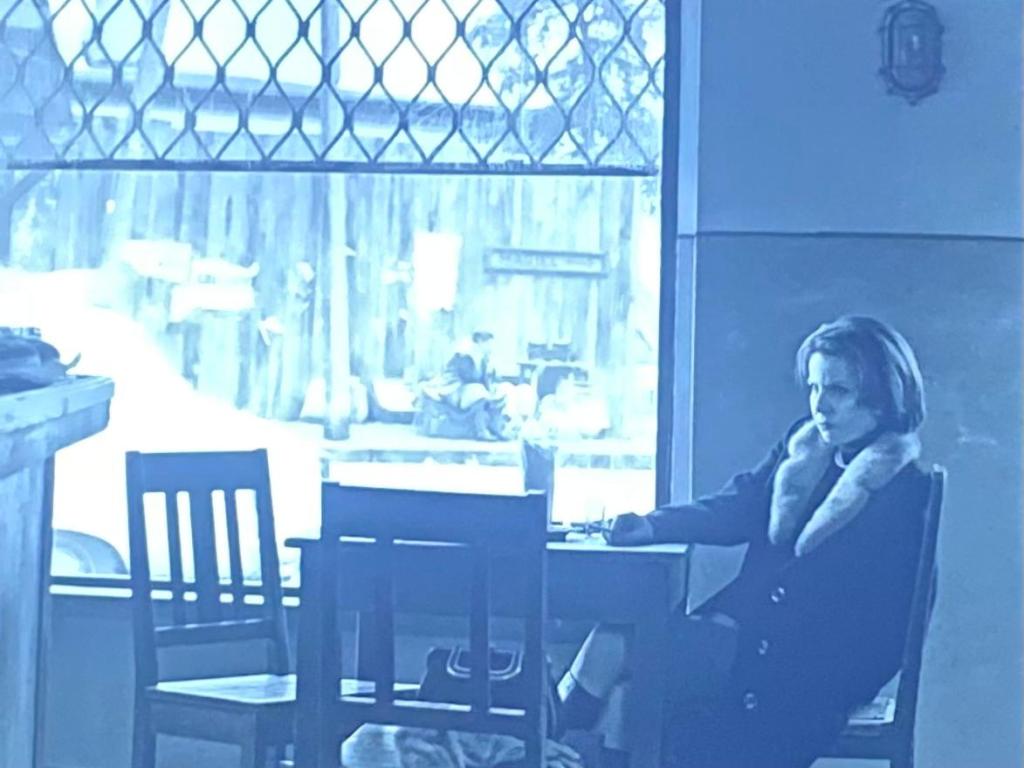
    But for me, it was all about Aunt Wanda. I was wholly captivated by this woman and her on-screen display of bravado. To summarise her in a single word: gumption. She could make blokey Polish blokes cripple before her. And she was antithetical to the convent and everything Ida believed a woman should be.

    Bold. Daring. Free.

    In her words “Jesus loved people like me” with a tongue-in-cheek reference to the controversial figure of Mary Magdalene.

    But as the film wears on, and certain hidden truths are exposed, dents appear in that steely facade. And when the mask finally falls off towards act three, we see a broken woman who had never really come to terms with the tragic death of her son and her sister, having thrown herself into vice and work.

    In the end, she could avoid it no longer. She had to look it right in the eye, even though it cost her her life.

    Ida’s choice; the moment everything came together

    When Ida refused to take her vows, it seemed as though she’d escaped being confined in a cage for the rest of her life under the watchful glare of Mother Superior.

    She decides to follow in her aunt’s footsteps, partaking in every vice she’d been exposed to (including Cole Porter), before the moment of truth.

    In bed with her lover, Ida asks what’s next. The young man – a jazz musician they happened to pick up along the way – tells Ida of his plans to marry her and have children.

    To my utter shock and surprise, Ida chooses to take her vows after all, preferring the safety of the convent and Mother Superior to being chained to this jazz musician for life.

    Was it the right decision?

    It depends on who you ask. Back in 2008, after school, I was preparing to join a monastery. I was ready to take my vows and renounce material possessions for the life of a monk.

    But then our family’s head priest turned me down. He told me that wasn’t my path. That I had to go out into the world and forge my own.

    In a way, I’m glad he said that. I couldn’t imagine committing myself to a lifetime of austerity, missing out on all the little pleasures that the material world has to offer. Most importantly, my wife and son.

    In the end, we must all make our choices. Some choose to brave the world, as twisted and messed up as it can be. While others prefer to hide behind the walls of a monastery or convent, turning a blind eye to all things that have no relevance in their little sanctity of (ignorant) bliss.

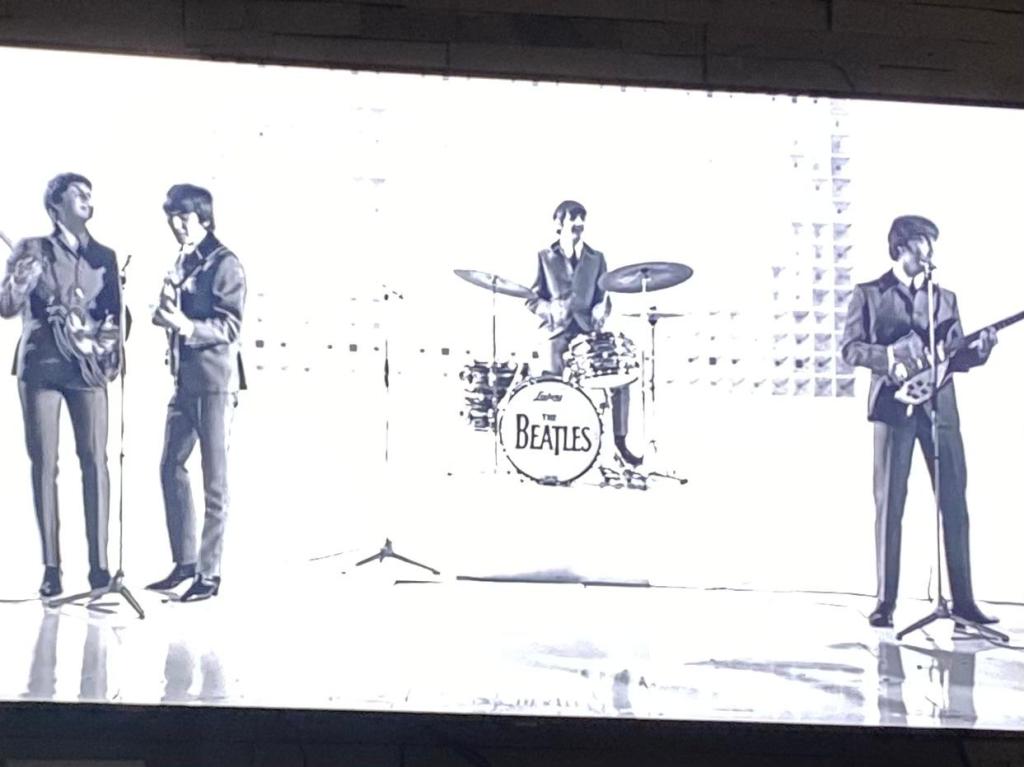
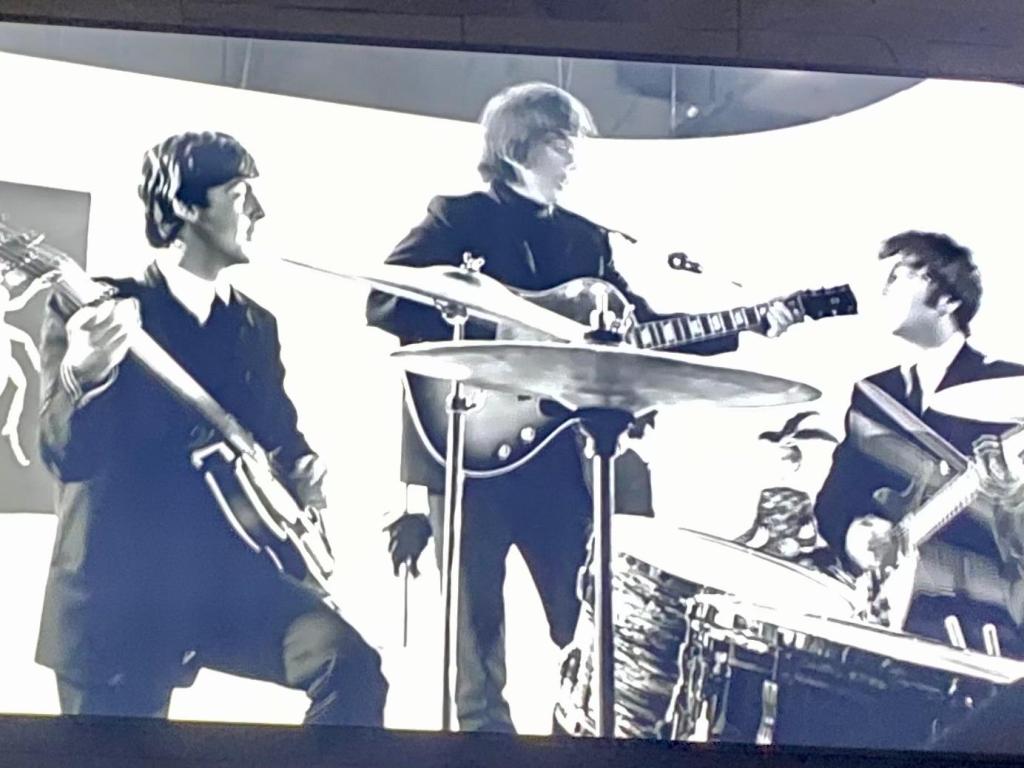
    Here are some of the moments I captured on my phone’s camera:

    Hard Day’s Night>

  • A Hard Day’s Night: Quintessentially Beatles

    In true non-linear fashion, I’ll work backwards with my experiential takeaways from Art Film Club with Bill Crandall.

    This was the fifth instalment and after the severe austerities presented in Oscar-winning Ida, this one really cranked up the volume in a spiral of joy and wonder.

    Just as a heads-up: I’ll often take snaps straight from the television screen on my iPhone 11, so a) I don’t own the rights to any of these images and b) I’d rather use them than a perfect version off the web, because why not?

    What’s it about?

    In a word? Beatlemania. It’s 1964 and four Liverpuddians that go by John, Paul, George, Ringo are off to perform at an unnamed location.

    Is it a day in the life of…? Kinda. Is it something more? Certainly.

    A brilliant script meets authentic performances

    Basically, it was the Beatles being… the Beatles. Though there was a scene in there with John Lennon that was quite hilarious. It’s a “you had to be there” sort of thing (don’t want to spoil it for you).

    Now I’ve listened to a fair few Beatles songs in my lifetime. Let it Be. Hey Jude. Yellow Submarine.

    Yes, they’re talented musicians. Yes, they’re fun. But this film showed me a side to the Beatles I’d never experienced before. It showed me an idiosyncratic detail that neither Hey Jude nor Yesterday could fully capture. At least not in my mind, and not without context.

    Was it George’s nonchalant coolness? Paul’s wholesome sweetness? John’s edgy humour (I never even thought of him as funny before!)? Or Ringo’s slightly self-deprecating take-it-on-the-chin attitude (George: “ah, you’ve got an inferiority complex, you have” Ringo: “Yeah I know, that’s why I play the drums – it’s me active compensatory factor”)? The answer: all of the above.

    And it was exactly lines like the ones mentioned in parentheses that made this one stand out for me. As an aspiring screenwriter, I was enthralled by the witty exchanges, prompted by Alun Owen’s impressive screenplay and performed admirably – and authentically – by the awesome foursome. Was it Owen’s writing? Was it just them? That will remain an open-ended question, but to me it was all just part of the magic.

    Grandpa McCartney the ‘x’ factor

    Tagging along with the Beatles is a mysterious “clean” old man, who’s very “clean” (repeated for emphasis as apparently actor Wilfrid Brambell was known in a previous role for being “dirty”).

    As the journey wears on, we begin to question who this old man is. Paul claims it’s his grandfather, or second grandfather (laugh out loud). He’s sometimes addressed as “Mister McCartney” and other times treated as an outsider. An imposter even.

    Given the surrealist bent this film has taken, it wouldn’t surprise me if he was a figment of their imagination! Whoever he was, he was HILARIOUS. Definitely the comic relief (not that it needed comic relief).

    The one interesting aspect of his character is how he managed to get into Ringo’s head as we headed towards the final act. That, coupled with him trying to sell “autographed” (read forged) Beatles posters to screaming girls made me feel like maybe he’s the Devil himself.

    If you’ve seen the film, I’d love to hear your thoughts on who you think he is. Bravo, mister Bramball!

    The cure for depression

    Sometimes life can be pretty dull. You just watch it pass you by, wondering if there’s any magic left. And this was it. It was a magical interpretation of Beatlemania in a time when people needed it most.

    We think about the 60s and how difficult that must have been. But I’d like to think that these four lads from Liverpool managed to tear down the Iron Curtain with their wit, humour, talent and – above all – authenticity.

    And I’ll definitely be back for more Beatles.There’s Peter Jackson’s (yes the Peter Jackson) epic 3-part “documentary” Get Back to look forward to. Now that will be 8-hours well spent!

  • Film Club with Bill Crandall

    I first met Bill Crandall at a restaurant as part of a wider gathering of friends. The first thing I remember saying to him was, “nice hat!” It was indeed, a nice hat. But that was just the beginning.

    It wasn’t until our third meeting at a mutual friend’s birthday party that I actually got to know Bill.

    I don’t usually do well at parties. I either withdraw completely and hide in a corner, or I overcompensate for my introvert tendencies with over-the-top bravado.

    So you can imagine the relief when I found myself one-to-one with Bill over the chip and dip bowl inside the house.

    We got to talking. And as Bill talked, my fascination grew. Photography, movies, art. People walked in, grabbed a chip, and walked out. But Bill and I didn’t move.

    It was decided. Bill would host an art house film club at his house for six weeks starting the following Wednesday. And the rest was history.

    This isn’t your average movie-going experience. This is transcendental.

    Bill made one thing clear. This isn’t a party where a bunch of guys goof around while some mediocre flick plays in the background.

    To be fair, Bill – and his lovely wife, Mariama – proved to be excellent hosts. A selection of beers. Pizza. Some nibbles for in-between.

    But that wasn’t what I was there for.

    I walked into the unknown, expecting the unexpected. And boy was I swept up in a strange, surreal Odyssey through cinematic art, with Bill as my guide.

    Art can change the world

    I’ll share my thoughts on each film in individual posts. But on the whole, Bill’s carefully curated selection has transformed me in ways I could never imagine.

    From Bela Tarr’s Hungarian masterpiece, “Werckmeister Harmonies”, to Alun Owen’s brilliantly written “A Hard Day’s Night” featuring our favourite musical foursome, each film has peeled a different layer of cumulated social muck, slowly revealing me to myself.

    My world has slowed down. I now see with my heart, not just my eyes. I’ve picked up on certain sensibilities that had evaded me for so many years.

    Bill said to me yesterday that “art can change the world. Don’t believe me? Ask someone who lived through the Iron Curtain how they felt when they saw the Beatles for the first time. They gave people hope where there was none, courage when it was needed and the will to live when it had all but dissipated.”

    Needless to say, my own life has changed for the better. And to think it all started with a comment about a hat. It sure was a nice hat.

    Thank you, Sir Bill, for bringing me through the doorway, out of the AI-slop, generic, cookie-cutter world and into a world filled with dreams, curiosity and real, true, art.

    If you want to learn more about Bill and his work, check out his blog. You won’t regret it, believe you me.