
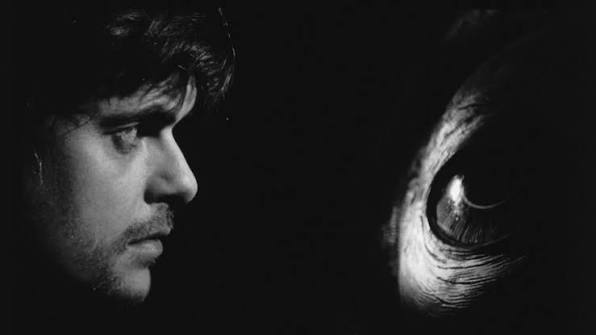
This was the first in a series of seven Art House Films with my good friend Bill Crandall. It was also – along with The Secret of Kells the one that had the biggest impact on me.
It was my introduction to Bela Tarr – master of the long shot – and it was definitely a red pill/blue pill moment. Take the red pill if you want to beat brain rot and see the world for what it is through a series of carefully curated films. Take the blue pill if you want to remain in the comfort zone of rehashed Romantic Comedies and doom scrolling.
I definitely took the red pill. And boy was I glad.
Side note: if you don’t know what I’m talking about with red pill and blue pill, you need to watch The Matrix.
What’s it about
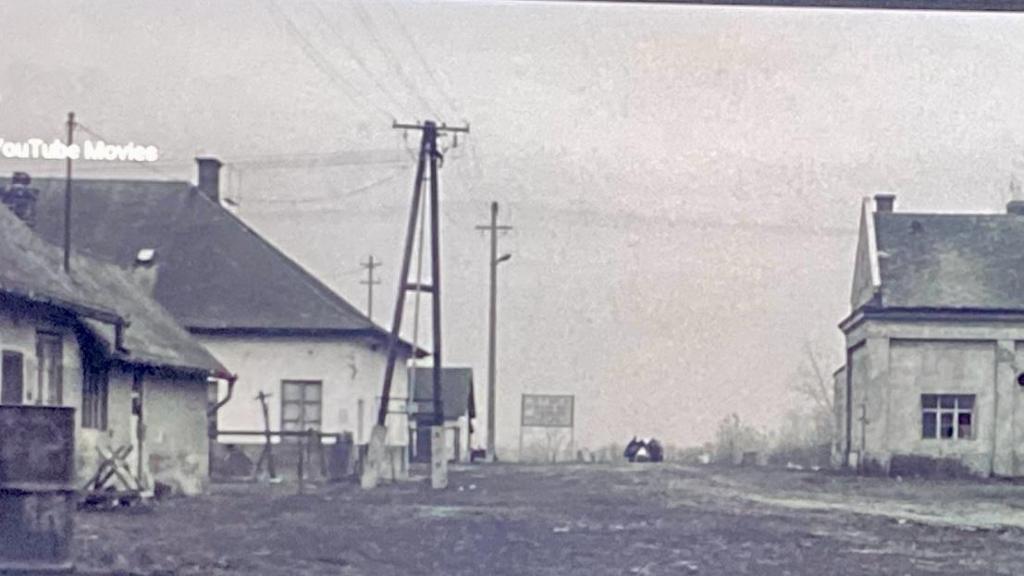
Much like most of Tarr’s work, this takes place in some rural setting in Hungary. It’s a quiet town with a town square and residents milling about, going through the motions without a sense of purpose, waiting for the arrival of a “circus” comprised of a giant stuffed whale and a false prophet that we never actually see.
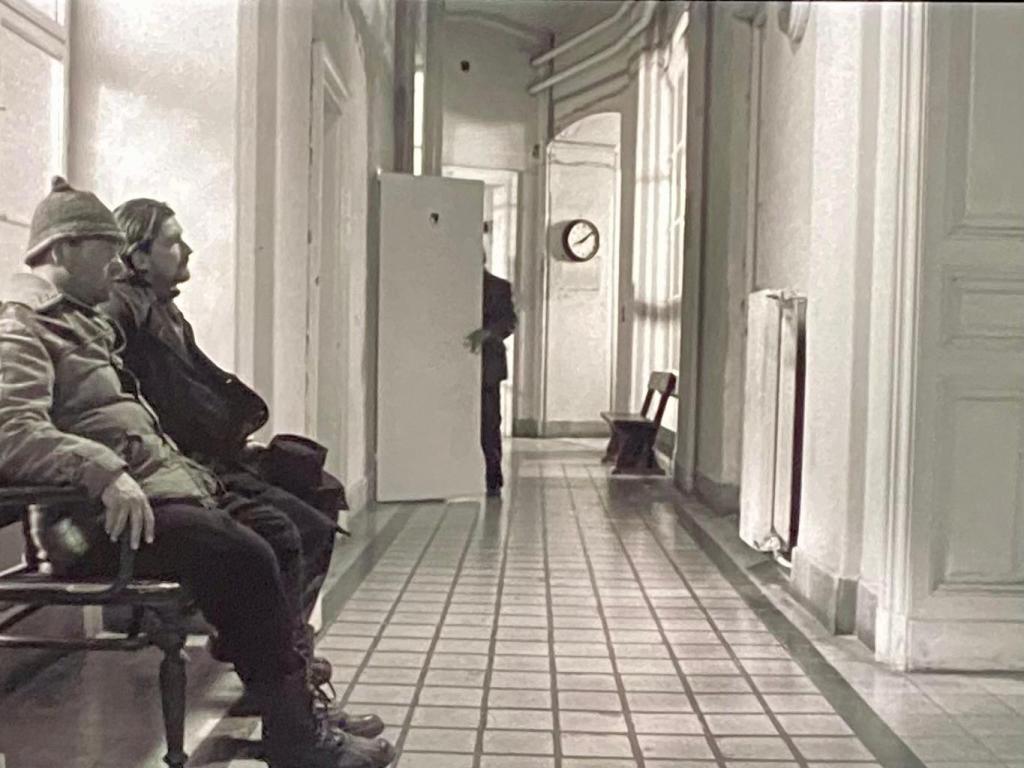
On cue, the residents descend into anarchy, destroying a hospital before the most pitiable scene stops the chaos and they all go back to their purposeless lives.
Open your eyes
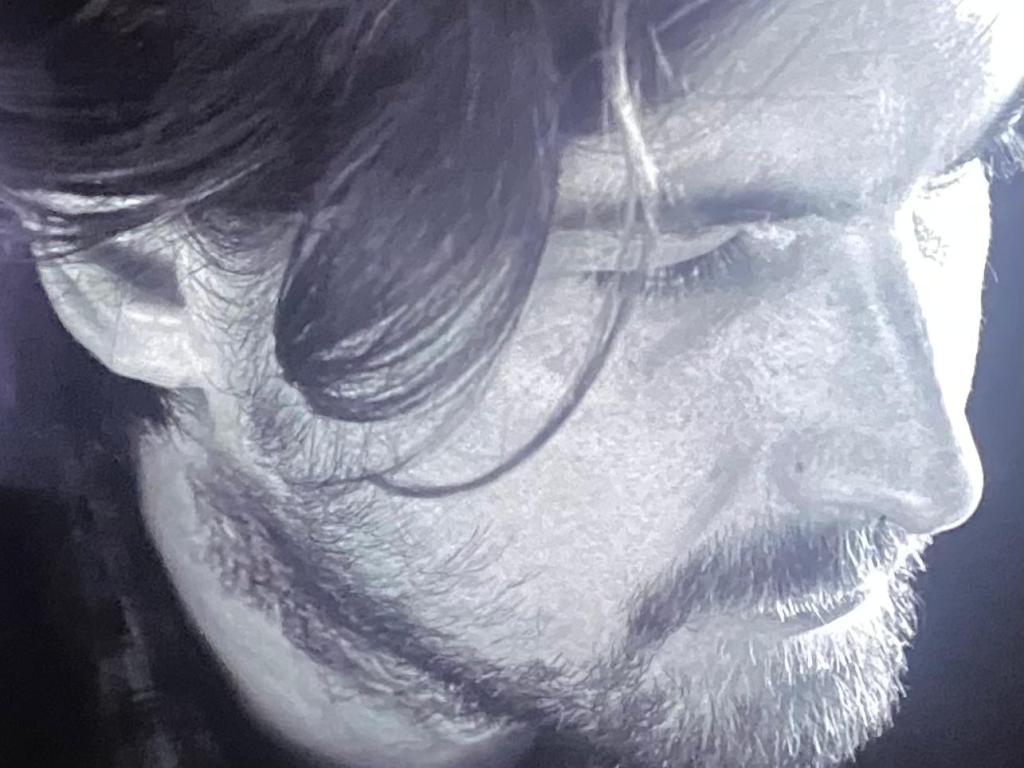
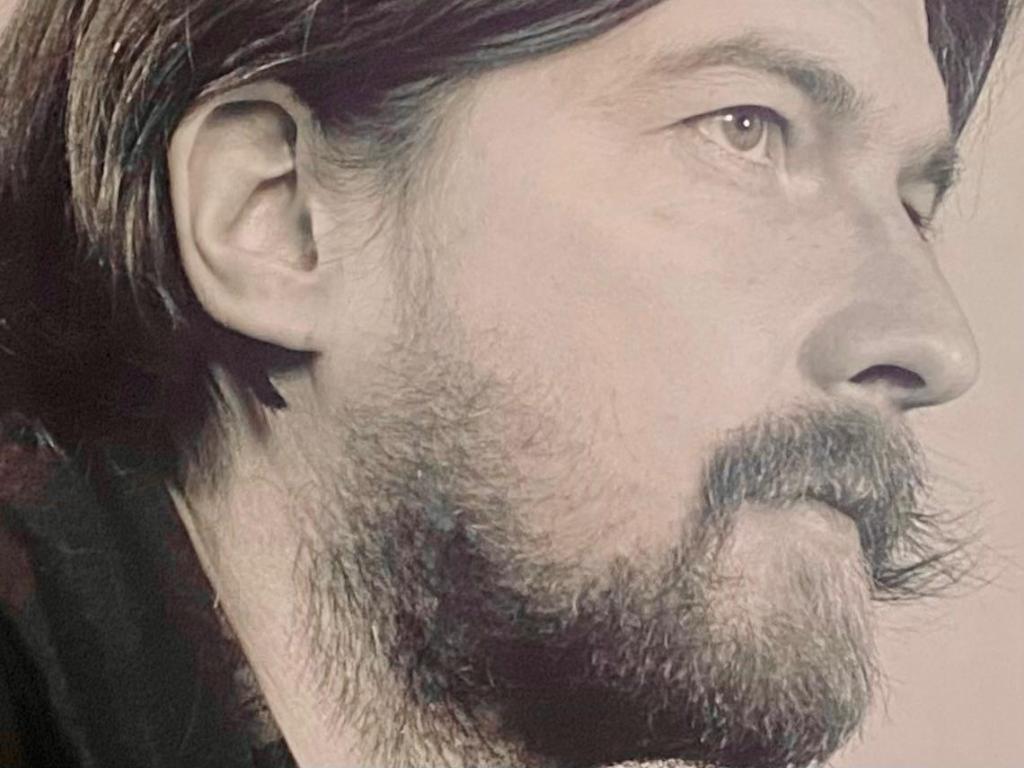
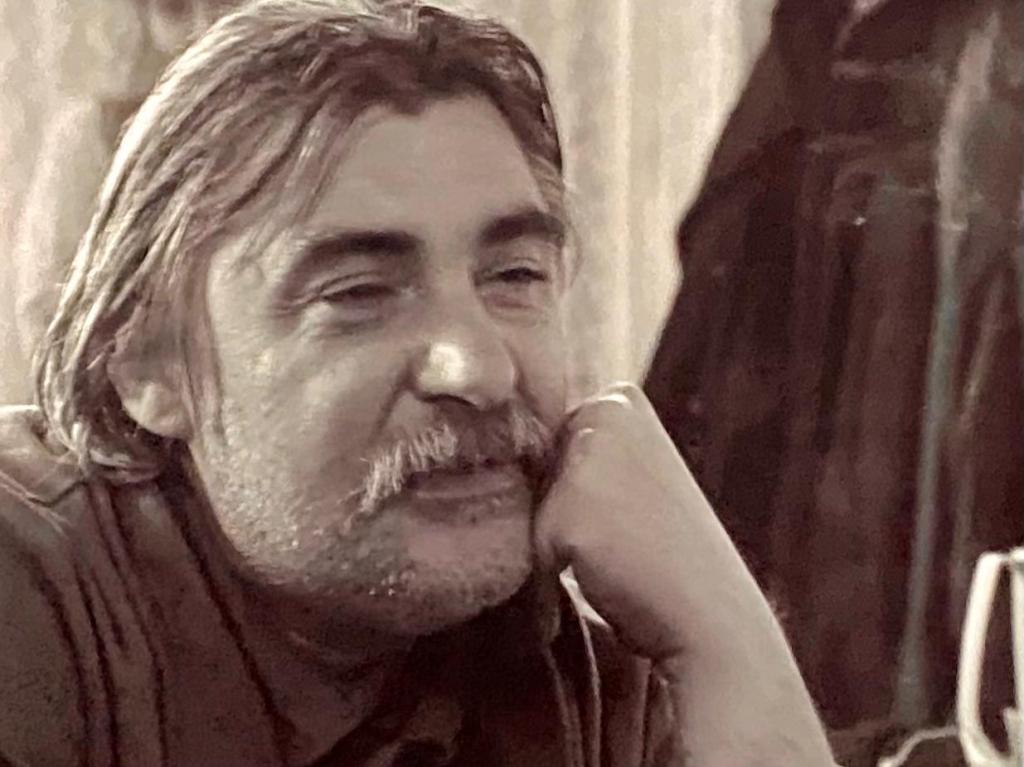
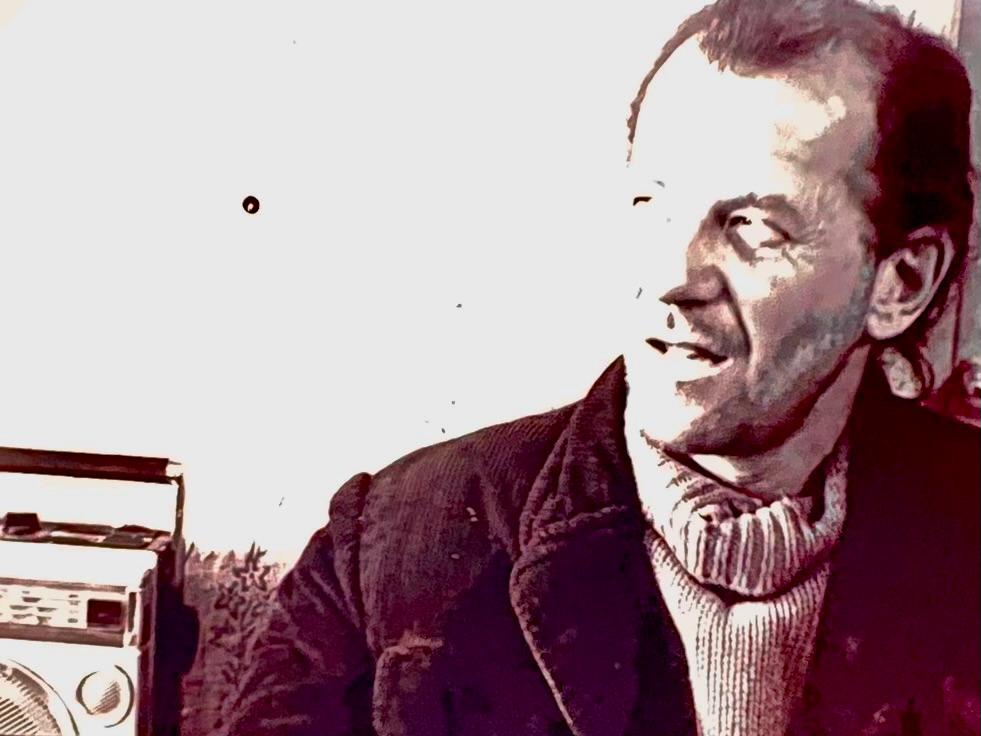
Our main character Jànos, played by Lars Rudolph, is easily distinguishable by his intellect and deep, penetrative gaze. His eyes literally do most of the talking throughout the film. You see curiosity peak at wonder and then descent into disbelief, horror and – ultimately – total despondency as the film unfolds.
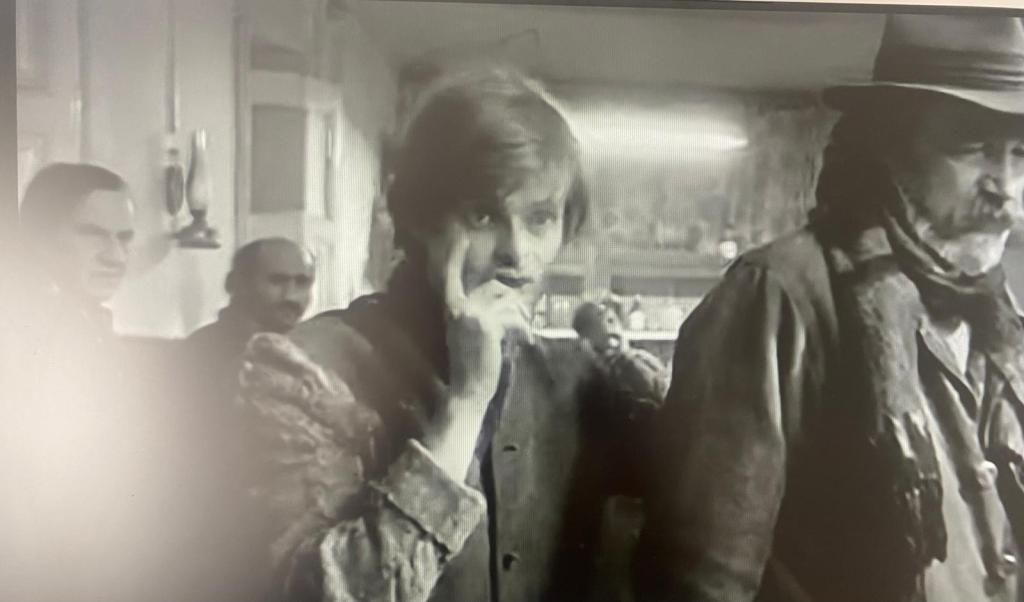
Curiosity as he explains how the solar system works
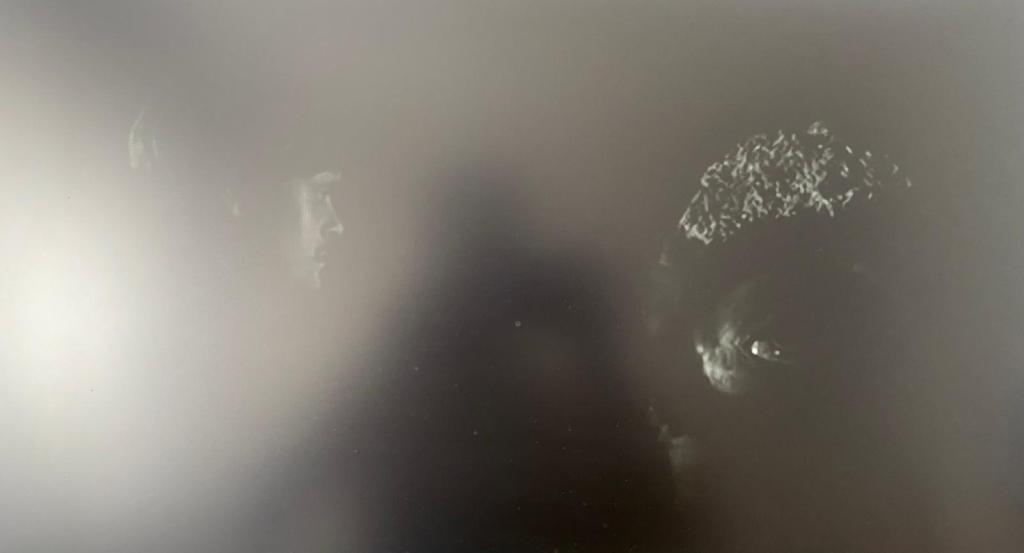
Looking the miracle in the eye with a sense of wonder
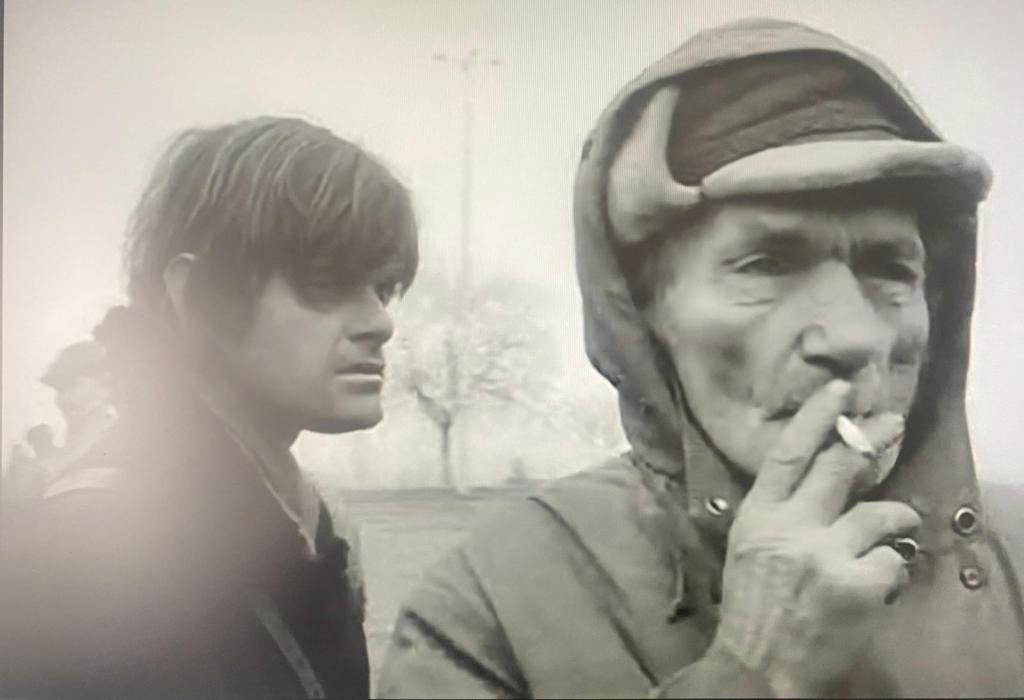
Disbelief that they can’t see it, when it’s right in front of them
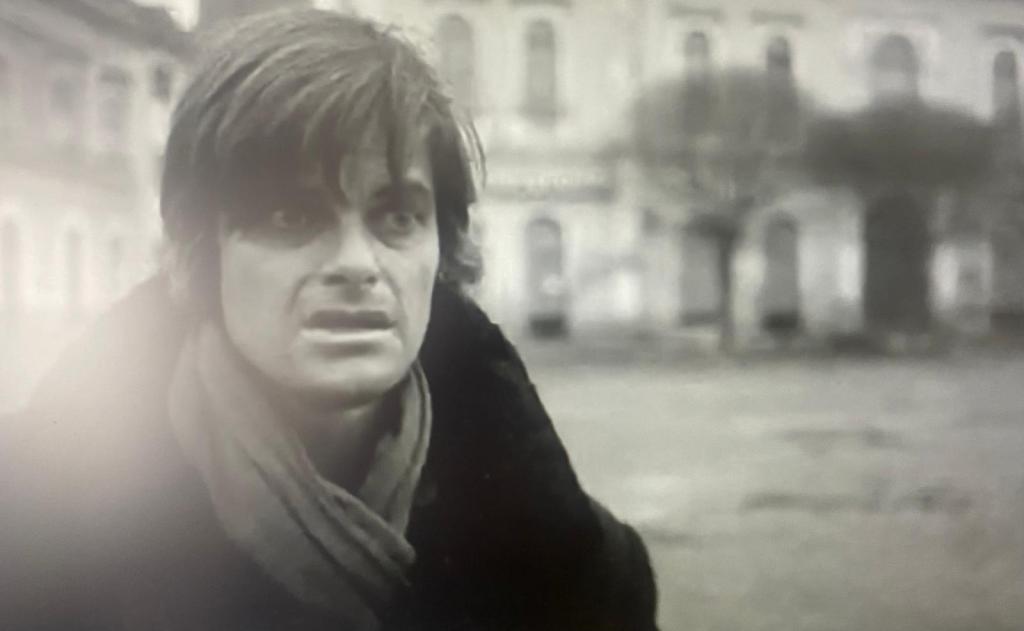
Shock and horror at what unfolds
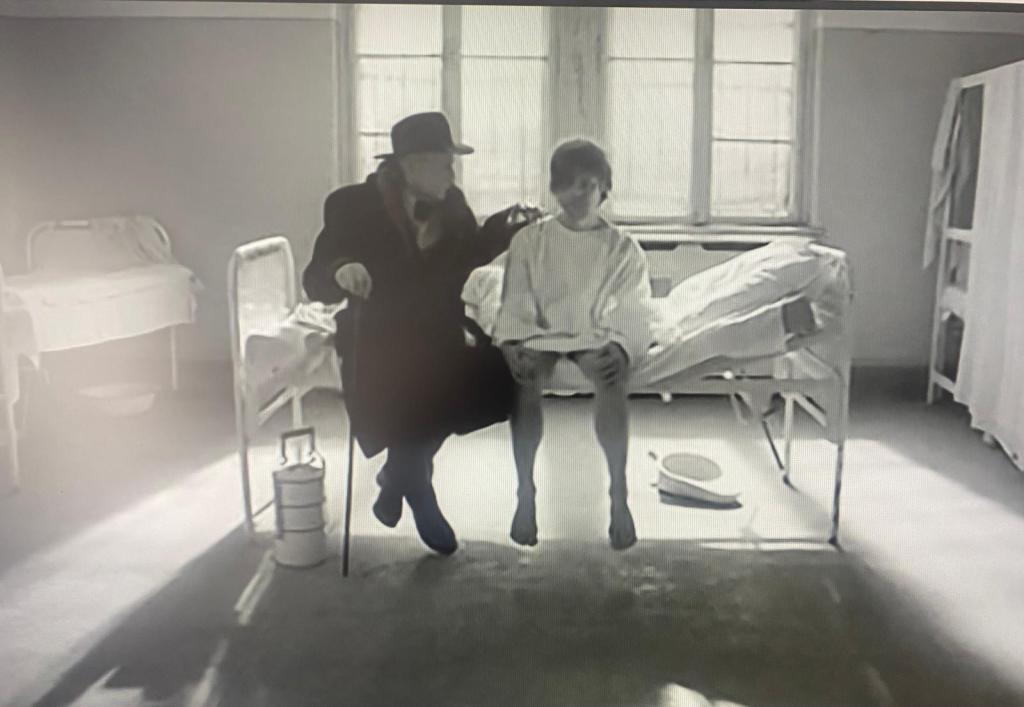
Total despondency as he’s institutionalised
We see the world through Jànos’ eyes. He – like the rest of the residents – is intrigued by the circus’ arrival. But unlike the rest of the residents, he’s more captivated by the giant stuffed whale than this so-called prophet who will supposedly perform some kind of miracle.
He claims that the whale is the true miracle. And he’s most certainly right.
A creature of such magnificence
World, can’t you see?
The miracle you’ve all been waiting for
Is right in front of thee.
Inspired by Jànos
This reminds me of a little anecdote from my own life.
Growing up in a staunch Hindu household, I was surrounded by people constantly looking for miracles in the sky. And every now and again, a so-called “prophet” would come into town and charge a lucrative amount to perform some kind of miracle.
Once, I accompanied my Mum to see one of these prophets. There must have been a thousand people stuffed in the community auditorium where the event took place!
Our rockstar prophet took to the stage. He wasn’t much to look at: scrawny, bald, long beard. But when he raised his hands, the entire auditorium went silent.
It turned out this man had an active “third eye” and could see into your future. I watched as he invited the ones with VIP passes to read their fate. It was all the usual bollocks: “yes, yes I see great fortune in your future” (man gambled his family fortune away and now lives on the dole in the UK). “Ah, a great romance awaits you” (divorced twice, lives alone in a small town).
At some point, I noticed a group of ants moving a bread crumb along on the floor. I stopped listening and just watched this incredible display of teamwork. And even though I was too young then to really grasp what was happening, looking back, I must have been like Jànos in that moment.
Here was a real life miracle happening right in front of my very eyes. A group of tiny creatures somehow being so coordinated as they move that piece of bread from one place to another. Instead, everybody is so focused on watching this “prophet” (wrongly) predict people’s futures.
My Mum noticed me not paying attention and elbowed me hard in the ribs. Back to the “prophet” it was.
The truth is, miracles happen right in front of us every single day. They might not be huge or biblical in any way. But they are still reminders that life is beautiful, that if we open our eyes and just take a look around instead of waiting for some great, big cosmic gesture, we might actually see something real.
To me, that was the essence of the film. Only one man could really see things for what they were. It seems to be a recurring theme in Tarr’s body of work.
Take Satantango for instance. A small farming commune waiting for a Messiah to lead them to the promise land, when their own lives are falling apart right in front of their eyes.
Most people are still waiting on that one miracle to bail them out, when the true miracle is in the day to day, how you live your life, whether you choose to open your eyes, or keep them closed.
Awakening
Watching Werckmeister Harmonies sparked something in me. Previously, when I had to go pick my son up from school, I’d rush out of the house, zoom down to campus, get him and zoom back. It was perfunctory, without a sense of purpose or even appreciation.
After the film, I consciously decided to slow things down. Literally and metaphorically. After getting my son, I took a longer, albeit more scenic route back home. I took it down from 70 plus to 40, put on the soundtrack (there are two) from Werckmeister Harmonies, and actually took a moment to see.
And that’s when I realised there’s so much we take for granted every single day. The two gardeners sharing a mandazi, donut, having tea in chipped mugs and laughing as they lounged on a grassy bank in the Sun. A lady, probably in her seventies, heaving a large basket of provisions to sell as she made her way slowly up the road. A family of monkeys going across the road, overhead on a wire, the baby hanging upside down, clinging on to its mother’s belly.
By the time I got home, I felt so enriched, so fulfilled, it was as though I’d taken my first breath in a long, long time.
Cinematic bliss
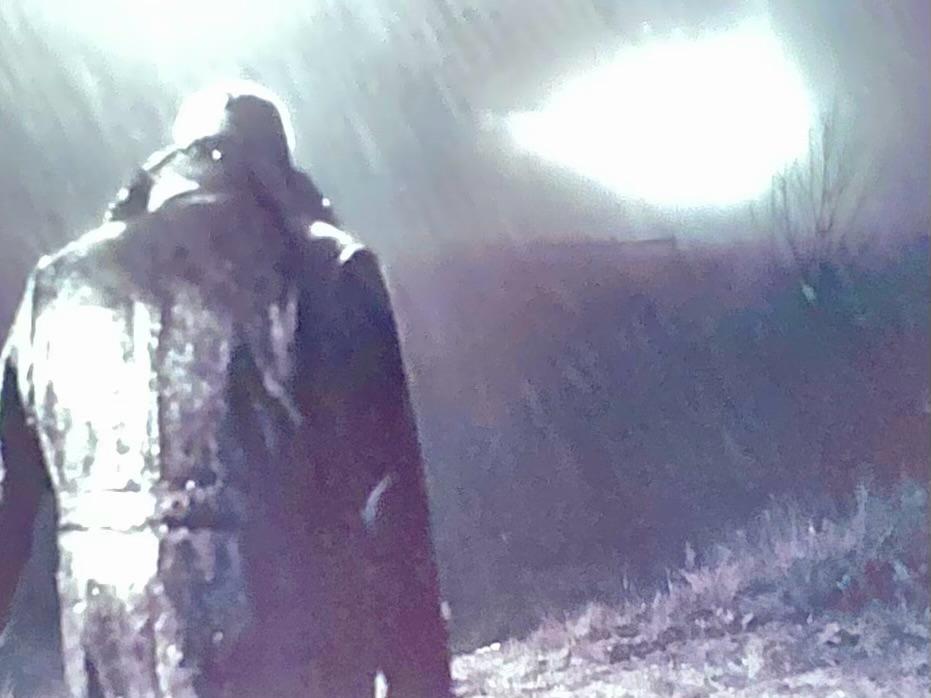
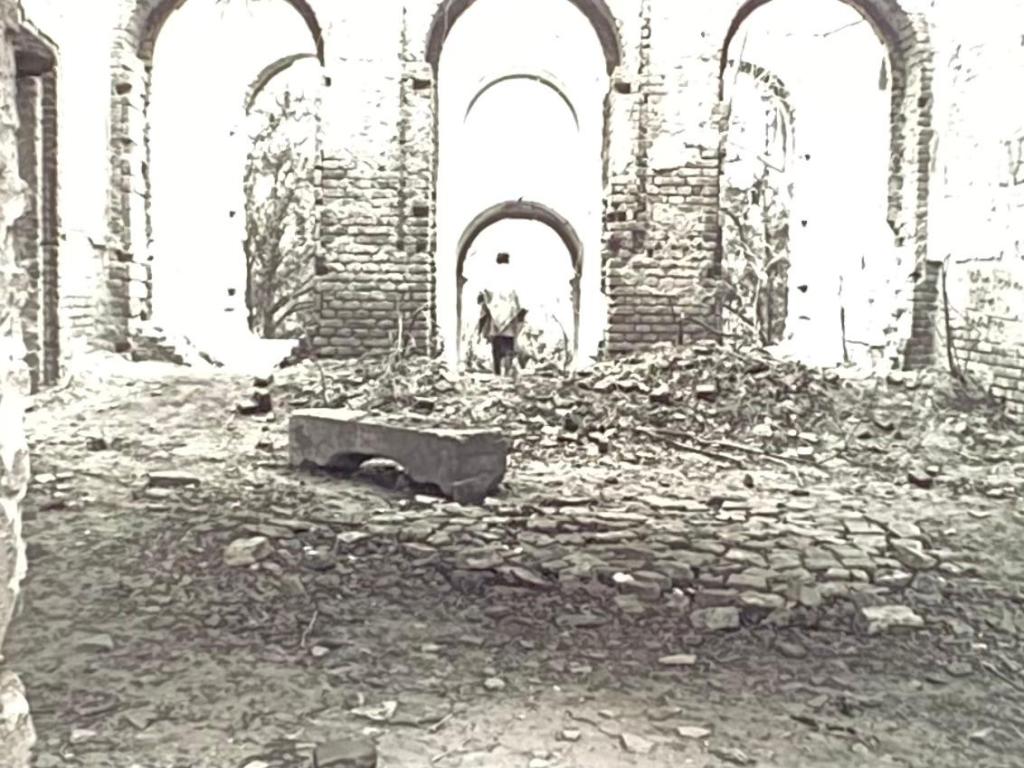
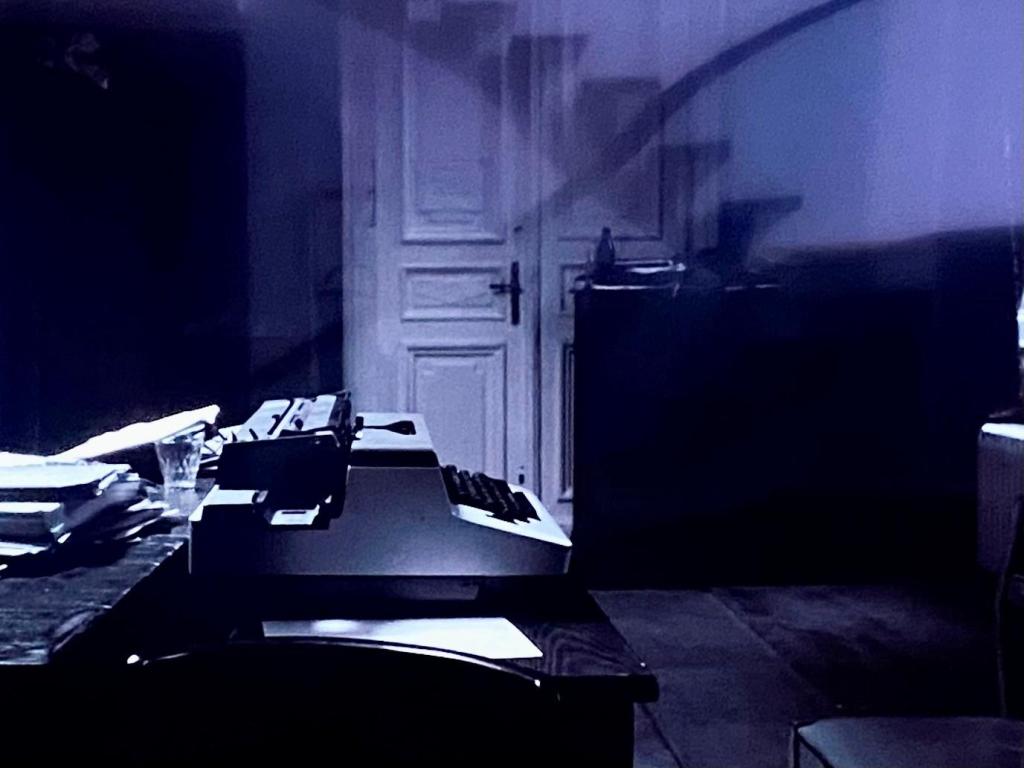
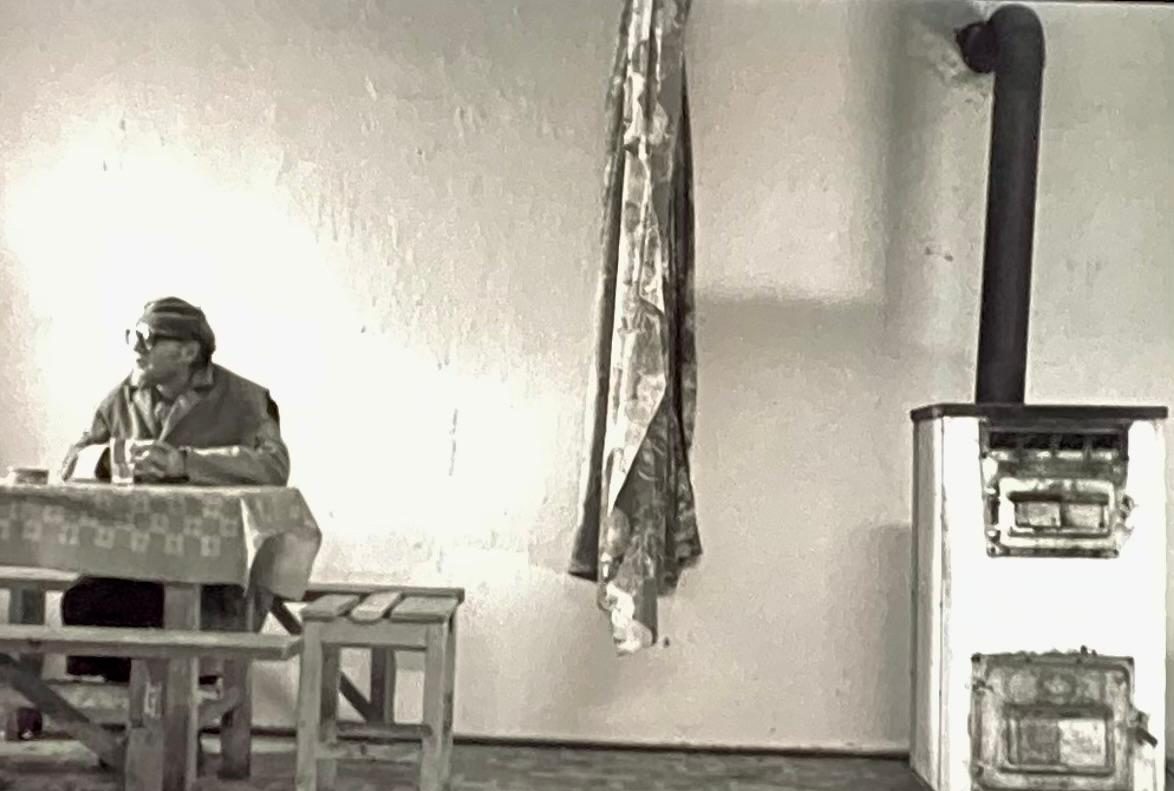
The themes and narrative aside, Tarr’s filmmaking prowess lies in the quality of the shot. Each frame feels like a moving black and white photograph and he uses chiaroscuro to really bring out the meaningful elements in every frame.
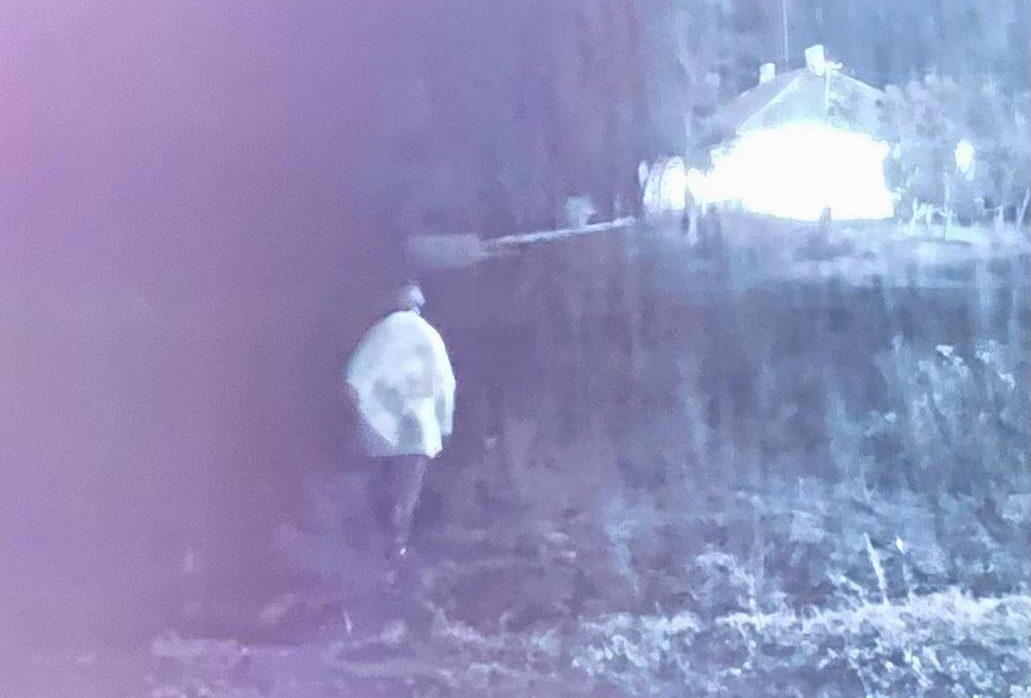
It was also the first time that I actually lived in the film. For example when Jànos and the pianist are walking down a road. And they’re just walking and walking and you’re walking with them for four and a half minutes of screen time. Another feature of Bela Tarr’s filmmaking. He lets scenes breathe and as a result, you actually get to breathe as well.
All in all, Werckmeister Harmonies is more relevant today than ever before. It takes one nudge to storm the Capitol or to unleash racist abuse on the internet targeted at black footballers.
And when people don’t see, they look to the sky (or their screens) hoping to find an answer, when the answer they’re looking for is actually right in front of them.
 Just Me Lakhani