We live in a world of insta-gratification. Don’t believe me? Here’s a statistic to prove it:
While the average person in the UK spends around 4 and a half hours per day watching TV and video content, the average time spent per video is 2 to 3 minutes. This reduces to mere seconds on “YouTube Shorts.”
Combine this with the fact that only 20 per cent of film school students in the United States could sit through an entire movie at home and you have your answer.
And there’s no shortage of content either. On average, 16,000 videos are uploaded every minute on TikTok, while Netflix added 39 films and TV shows just in August 2026.
This means if the emotional pay off doesn’t take place within the first few seconds, or minutes, it’s usually scrolled, skipped or ignored entirely.
An act of defiance
And so, as one would on a typical Monday at 2:40 AM, I undertook the mammoth task of watching Bela Tarr’s magnum opus, Satantango in one sitting.
Call it an act of defiance. Or maybe “insanity” is the word you’re looking for. Whatever it is, I knew I had to do it for the sake of what good’s left in this over-stimulated world.
And boy, I sure didn’t regret it.
Satantango: what’s it about
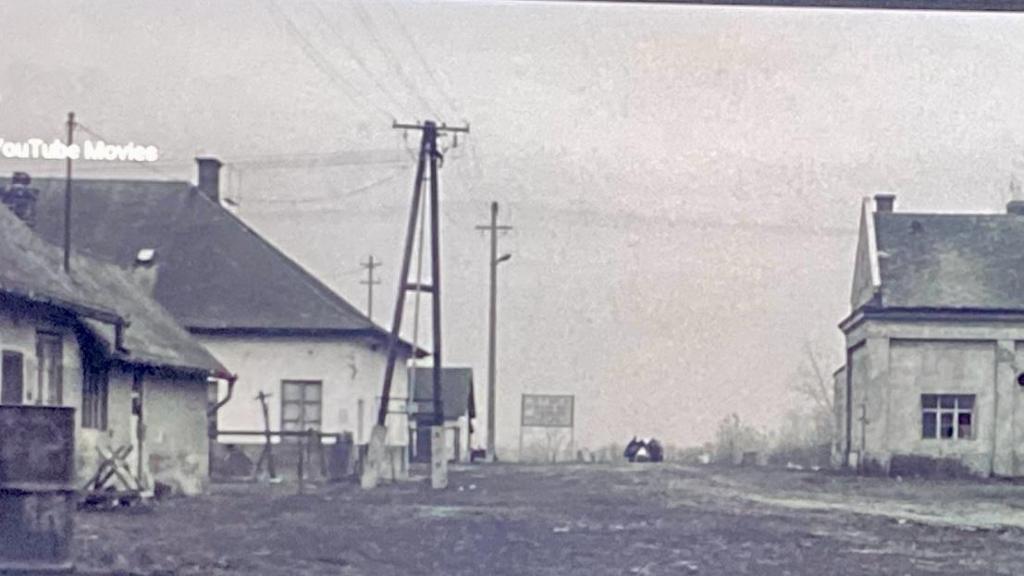
The plot centres on a farming commune in rural Poland at the fall of communism. Man has descended to the level of beast (symbolised by the opening scene with cows milling about), succumbing to his baser instincts.
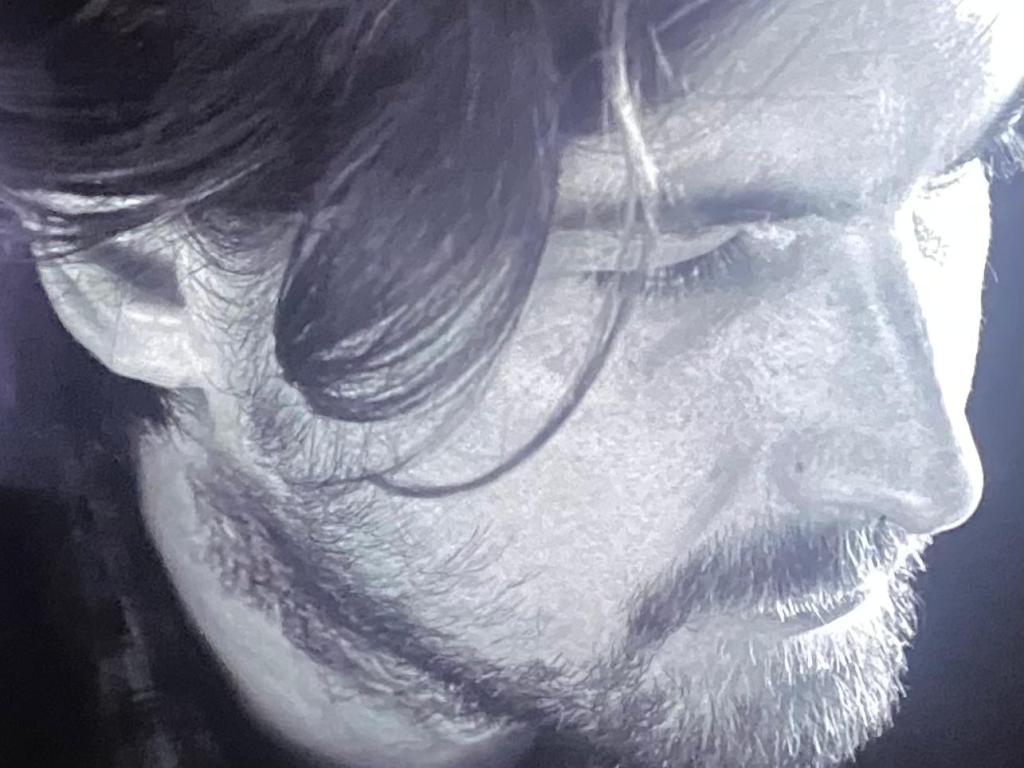
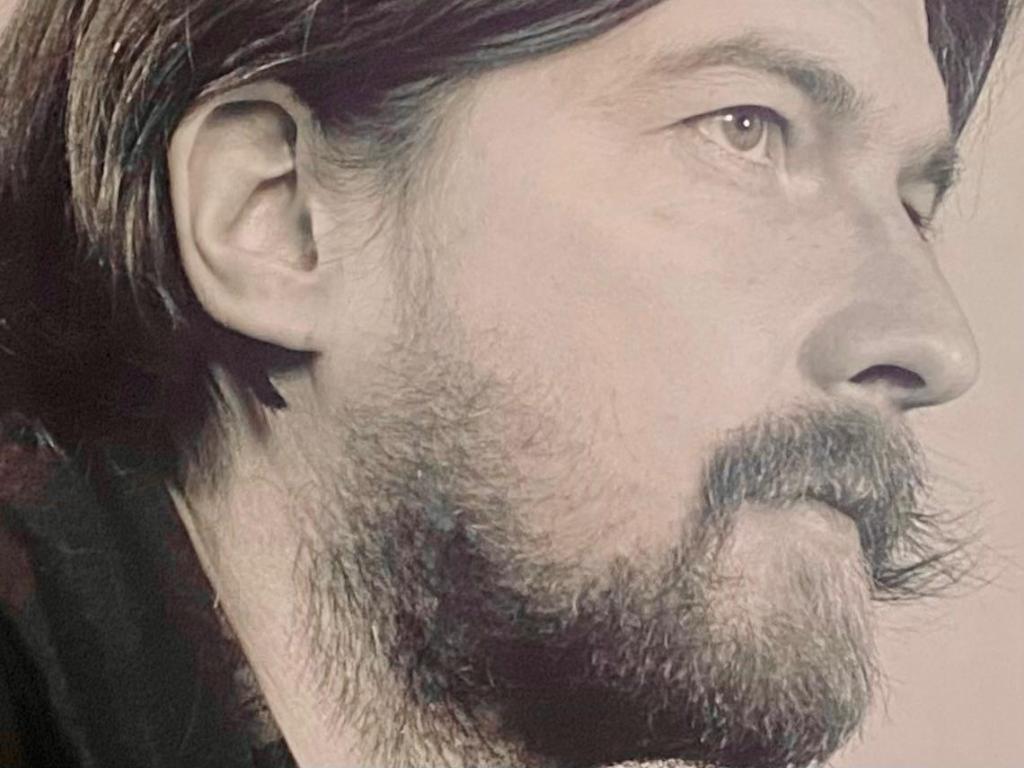
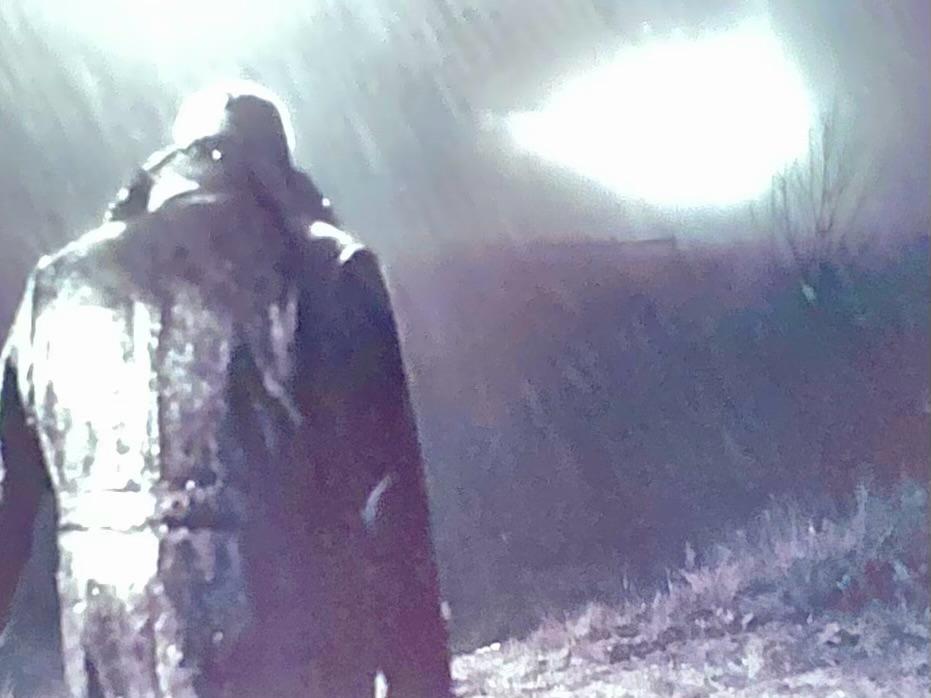
There’s filth, vice, debauchery, culminating in a suicide and the timely arrival of a mysterious figure with Messianic qualities, the great and cunning Irimais (played by Mihaly Vig), whom they believe will take them out of the dump and restore glory to all.
Satantango: my experience
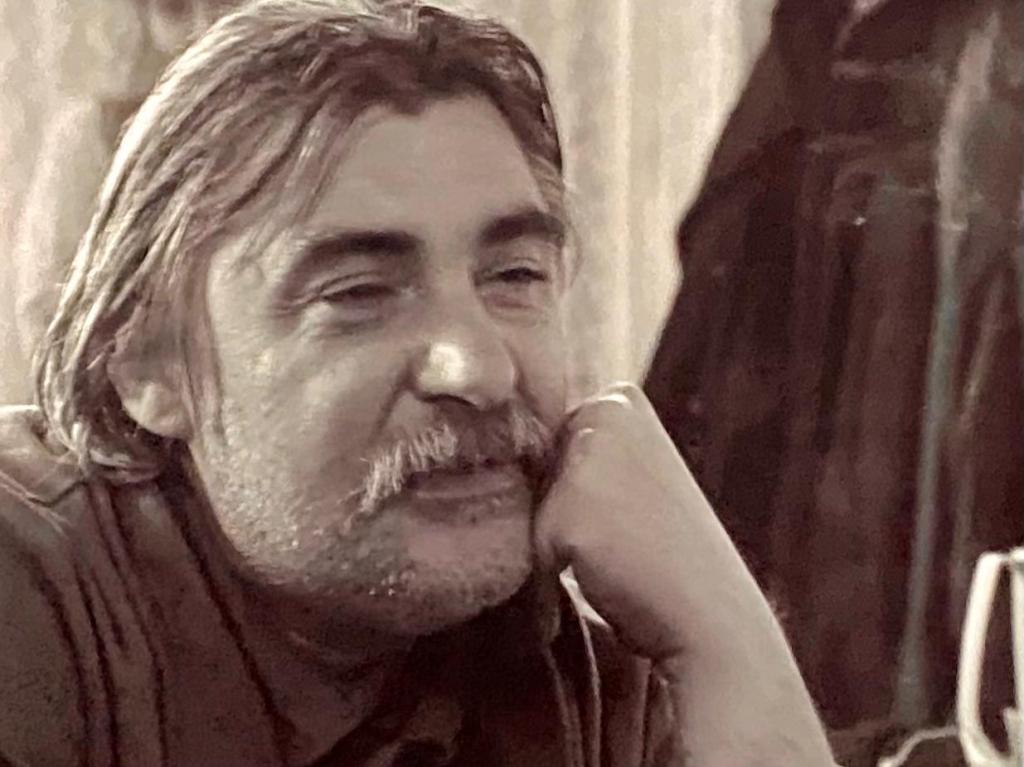
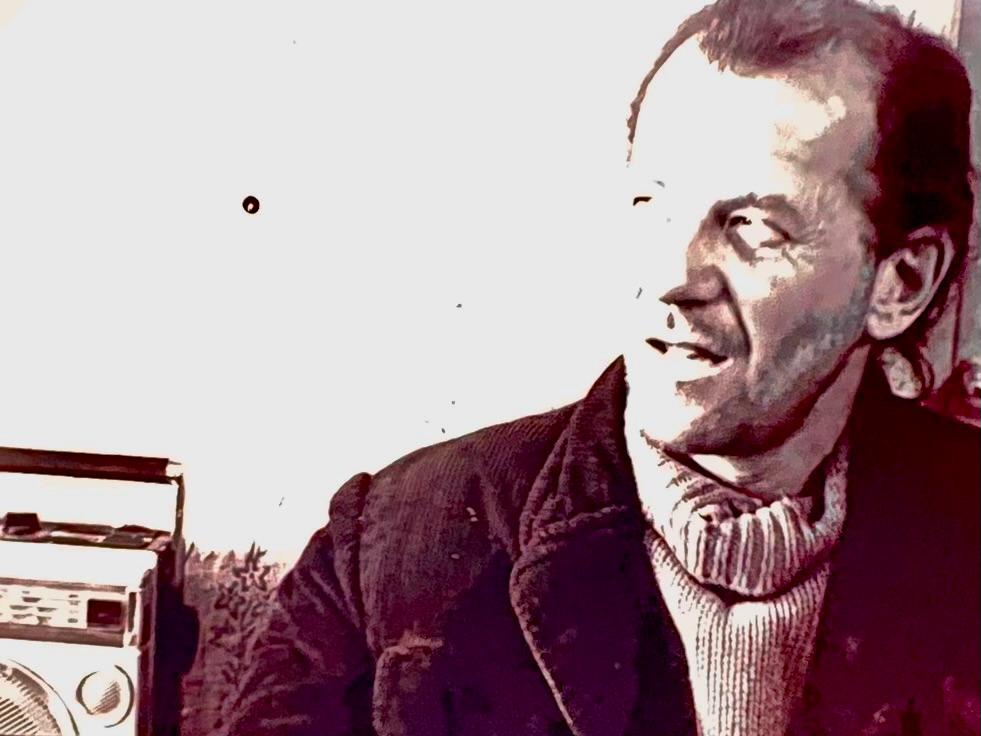
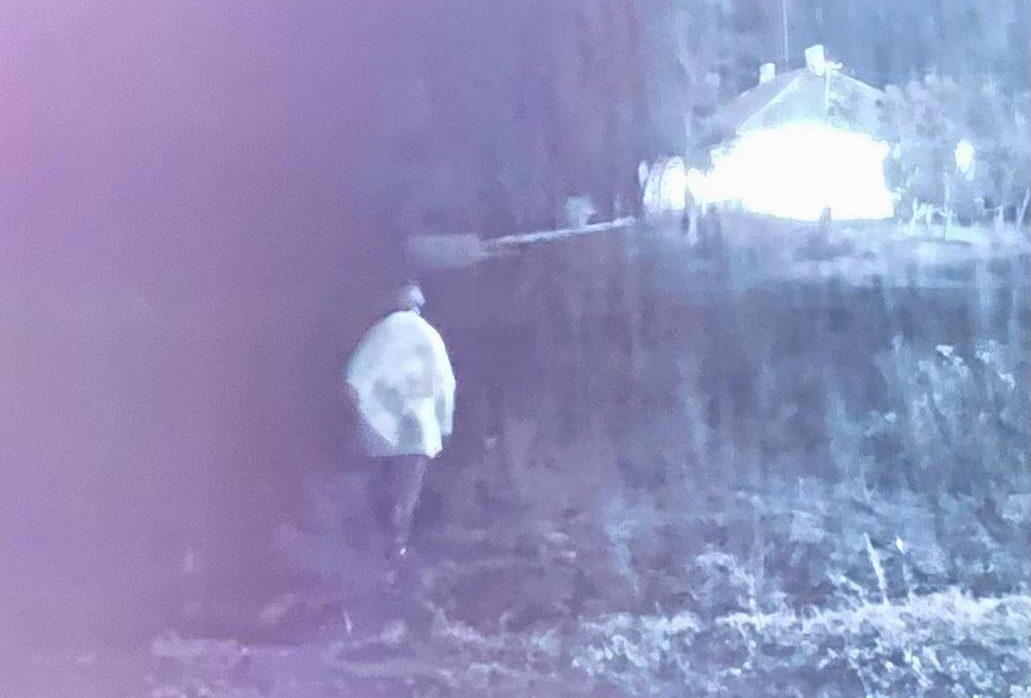
If you aren’t familiar with Bela Tarr’s work, he is the master of the long shot. The average length of a single shot in this film is around 4 and a half minutes. This makes it around 150 shots across 12 chapters.
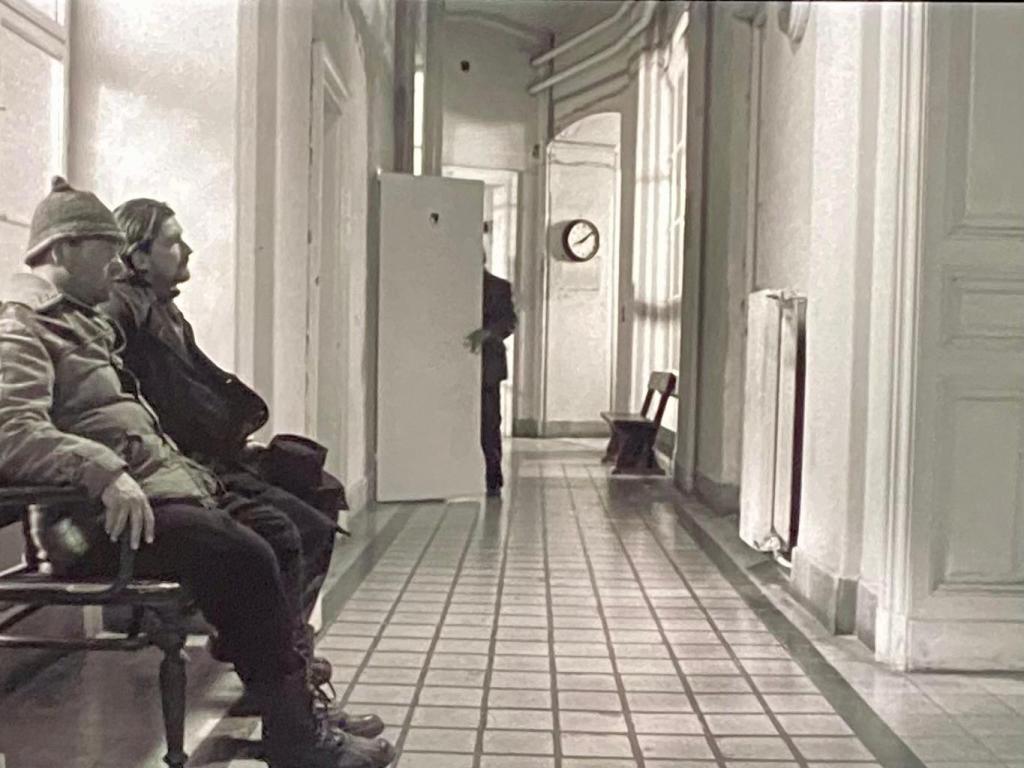
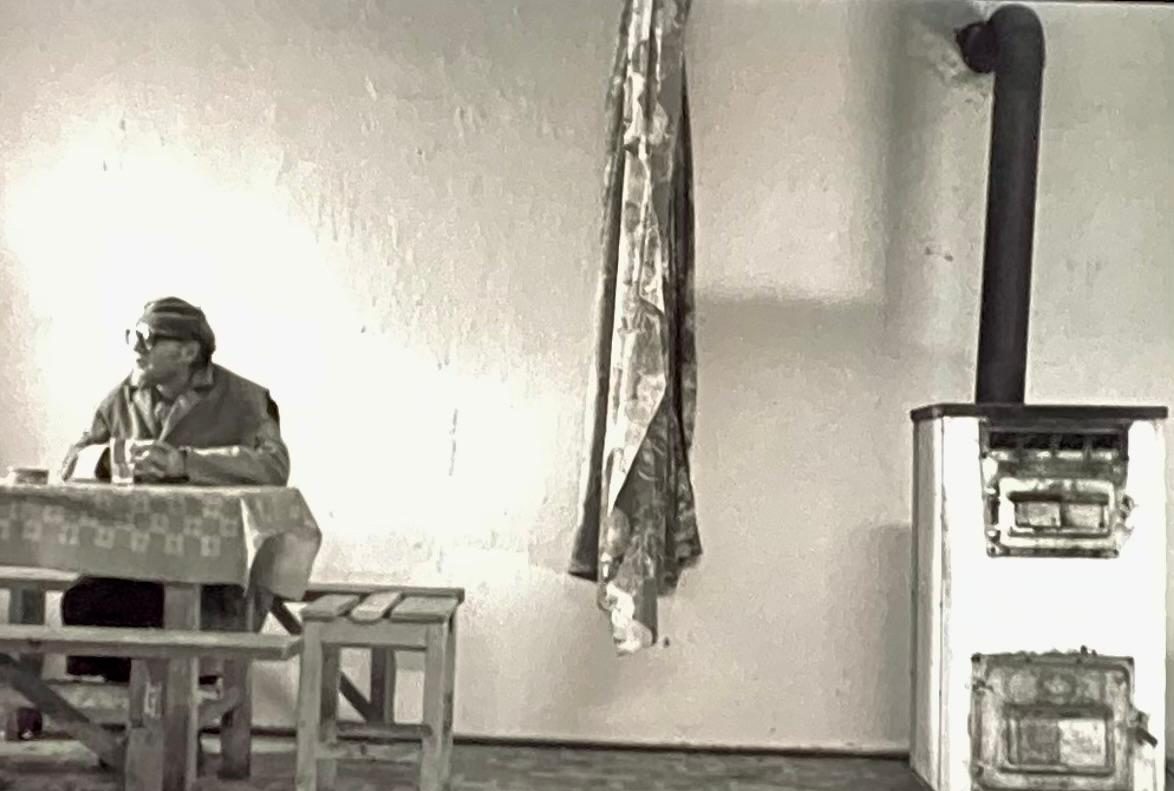
Perspective: this very shot lasted about 6 minutes. Neither character spoke a word. There’s some movement, but not a whole lot. Neither of them have phones or anything to distract them with. They’re just waiting. Patiently. Calmly.
Put it this way; there’s an extended pub scene where the viewer looks on as people dance to the monotonous, repetitive tune of a harmonium for 12 minutes. You might as well be at the pub yourself, perched on a bar stool with a cigarette, taking it all in.
I guess that’s what Tarr intends. About two and a half hours in, it ceases to be a film and becomes part of your very existence. You actually end up bonding with the characters, spending time with them in each and every lingering frame.
As for the emotional pay off? You’re sitting through 7 and a half hours of mundane, albeit scenic, run time for a mere 30 minutes of Irimais’ charisma, including a powerful 12 minute monologue. And boy is it worth it.
Bela Tarr’s warning
In both Satantango and Werckmeister Harmonies, as well as his other films I’m sure, Bela Tarr hints at the collapse of civilisation as we fail to rise above our animalistic desires and embrace a higher level of consciousness.
In the words of Irimais:
“They are slaves who lost their master, but they can’t live without pride, dignity and courage. Yet they don’t feel such qualities reside within them. They only know how to live in the shadow of such things. They follow that shadow like lemmings off a cliff. They can’t live without their fantasies. But when they get too close they can’t handle it.”
I won’t spoil the true motif behind Irimais’s actions, but I will leave you with this one passage from the film that summarises Tarr’s warning:
“Drawn out by the tender sound of the accordion, the spiders in the pub launched their last attack. They sewed loose webs on top of the glasses, the cups, the ashtrays, around the legs of the tables and chairs.
Then, they bound them together with secret threads so that in their hidden corners they’d notice every little stir and more until this almost invisible web would not be damaged.
They sewed a web on the sleeper’s faces, their feet, their hands. Then hurried back to their hiding places, waiting for an ethereal thread to move, to start it all again.”
Relevant to today
Are we also slaves without a master, living in the shadow of pride, dignity and courage? Well, if we are not able to sit through a film without checking our phones. If we’re walking out of great cinematic epics like Nolan’s The Odyssey because our attention spans cannot take it. If we’re chasing fantasies and then getting put out by them. Then perhaps, yes, we, too, are slaves without a master.
It was for this exact reason that I watched Satantango. Earlier I said it was an act of defiance. I want to slightly amend that to: it was an act of necessary defiance. It was my way of standing up to scroll-culture. To mediocre “films” that flit from shot to shot every few seconds. To artificially generated “art” that has no soul. To generic images patched together haphazardly with no meaning.
So go and watch Satantango. No, go and live Satantango. For yours and all our sakes.
Here’s a wee bit of verse to send you on your way, from yours truly:

 Just Me Lakhani