Imagine for a second living next door to a vampire. Let me say that again. Imagine that your next door neighbour is, yes, a vampire. And somehow… you knew?
Not just that. They appear “attractive” to you. They appear to be the same age. They don’t appear to be scary at all. And yet, at full moon, when blood lust is at its peak, they need to feed.
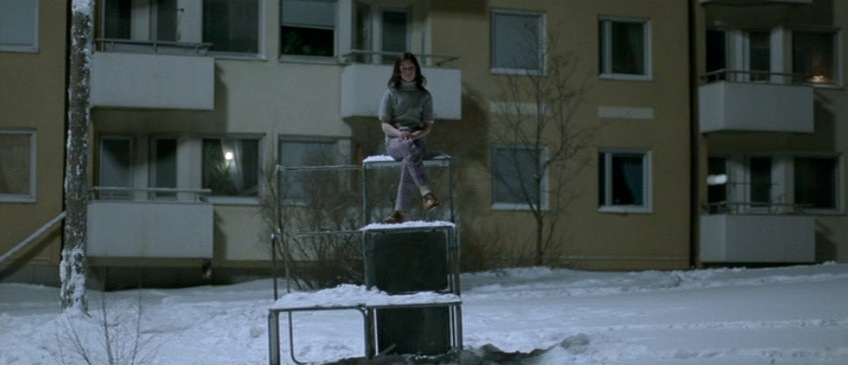
Now imagine all this taking place in a suburban neighbourhood in Sweden.
What I’ve just described to you is the plot of just about any vampire story. Boy meets girl, or girl meets boy. Boy/girl turns out to be a vampire. Will they. Won’t they. Can they.
More than just a “vampire” film
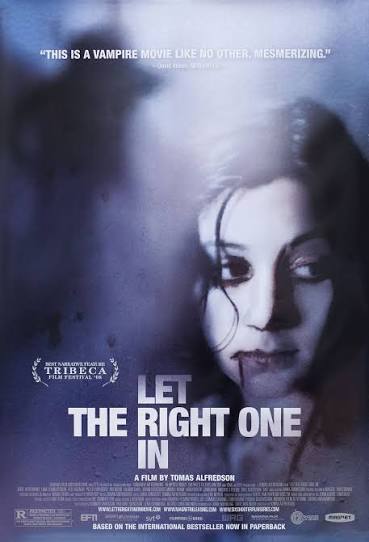
Tomas Alfredson’s eerie retelling of an age old story isn’t your typical “falling in love with a vampire” teenage drama. It’s so much more than that.
To begin with, Alfredson has done away with all the usual cliches. The fangs. The jump scares. The cheesy drama.
The fearful aspect of the film actually kind of creeps up on you in the most unexpected way. So much so, you don’t actually think about it until after you’ve seen the film.
Packed with moral ambiguity – a running theme throughout film club – it provoked quite a few existential questions.
Questions like: who really are the monsters? Take your pick: the negligent parents who don’t really know what their kids are up to behind closed doors. The aloof teachers who just stand by and let horrors aplenty unfold without consequence. The estranged, alcoholic father who’s all but given up on his family. Or – probably the most obvious one – the school bullies who go out of their way to make the misunderstood kids feel uncomfortable.
Note that in my list I haven’t mentioned vampires. Not once.
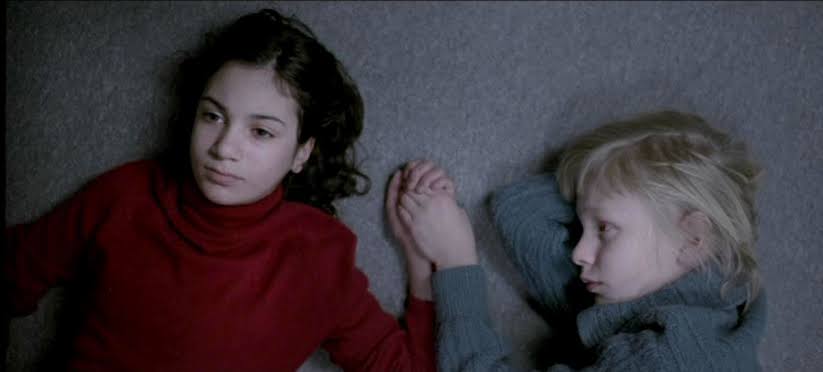
And that’s because, to me at least, poor Eli isn’t a monster at all. They are a victim of a great atrocity (there’s no real backstory in the film, but there’s a book for that) committed centuries prior. And they’re living with those consequences, doing whatever they can to survive. This is captured perfectly in this exchange between Eli and Oskar:
Oskar: I don’t kill people
Eli: No, but you’d like to. If you could… to get revenge, right?
Oskar: Yes.
Eli: Oskar, I do it because I have to. Be me, for a while.
Eli’s moral ambiguity
I’ve established that Eli isn’t inherently bad. They kill because they have no choice. If they don’t get blood, they can’t survive. But does that mean Eli’s… good?
Who’s to say. There are a couple of instances where Eli does kill. And it’s not to feed. I won’t say much more about this as those scenes (and the film) are worth watching, but it does beg the question: has Eli bent their rules before? Or are they doing it just for Oskar?
One thing’s for certain. The divide between good and evil is blurred. And I think I can capture it in a short verse inspired by the film:
Twelve in all perpetuity,
Thirteen I’d never been,
Yet all the world’s atrocities
With these eyes, I have seen
Unseen have I remained
Though strange I may seem
Only those stranger still
Will pay me any heed.
Centuries I have roamed this world
Centuries more I expect to roam
And though you may be twelve
And perhaps someday thirteen
I’ll keep you by my side
Until you perish, my sweet.
One last thing. If your neighbour turns out to be a vampire, give them the benefit of the doubt. They’re not the monster you should be afraid of.
Cheese puffs: filo pastry stuffed to the tits with cheese. Delectable, but deadly.
The following day, Ronaldo skipped breakfast and left early to beat the morning traffic.
The roads were mostly clear, save one or two lorries bringing raw materials into Rio De Janeiro.
Doctor Santos’ clinic was a stone’s throw away from the municipal theatre and next door to a well-known bakery. The driver parked along the curb behind an abandoned scooter with its headlight still on and Ronaldo got out. A couple of early birds digging into their cheese puffs outside the bakery recognised him and raised a hand in salutation.
As he approached the clinic’s front door, he could have sworn one turned to the other and whispered something in his ear.
Shameless fatty.
Doctor Santos had practised sports medicine for nearly four decades. He’d been the go-to clinician for the majority of the Seleccion, but had never upgraded to a bigger office. He was still using a desktop from the yesteryear; the fans whirring loudly as it struggled to keep up and the visitor’s leather couch had a classic patina shine to lend it some character.
Patina: a bit of sheen that appears on leather, metal or wood over time. Vintage.
Lucile, his personal assistant, was still an attractive lady–even in her mid fifties. The only sign of age on her was a single crease on her otherwise smooth forehead. “Give him a moment, he’s just setting up,” Lucile said once they’d greeted each other with a kiss on either cheek.
The door at the far end of the hallway opened and a small man with wiry grey hair stuck his head out. “Ronnie?” he called out affectionately.
“You said it was urgent, is everything ok?” Doctor Santos had his clipboard at the ready, staring over the top of a pince-nez at his patient.
“Fine. All fine.”
“Are you managing your ten thousand steps daily?”
“Yes.”
“Ronnie…”
Ronaldo sighed. “Not lately. I’ve been… distracted.”
“Saw the game yesterday?”
“Hmm.”
“I’m surprised you weren’t at the Stadium, you never miss an opportunity to grace the big stage with your presence.”
“I couldn’t make it.”
“Just as well. It was a massacre. A blood bath. The supporters will never forget it…” Doctor Santos looked away into the distance for a second and then shook his head clear. Back to the clipboard. “I’ll take your vitals in a moment, but what is it that brought you here first thing in the morning?”
Ronaldo cleared his throat. “I want…” Shameless Fatty. He stood up suddenly, the chair legs scraping the floor. “Nothing. It’s stupid.”
He crossed over to the door, but Doctor Santos intercepted him. “Please.” He made a sweeping gesture for Ronaldo to take his seat. The Fenomeno obliged. “Now. Indulge me.”
“I want. I wonder. What chance do I have of…” his head was pounding. Fatty. Fatty. Fatty. He cleared his throat and, leaning forward, whispered “Is it possible for me to…”
“Go on,” Doctor Santos said, kindly.
“Do you think… What will it take for me to… To play for the Seleccion again?”
“The Seleccion? You mean the National Team?”
“I told you it’s ridiculous, I’m just wasting your time,” Ronaldo got up again, but Doctor Santos leaned across his desk, taking his patient’s hand.
“It’s not ridiculous. Please, sit.” Ronaldo sighed heavily again and dropped back into the seat. Doctor Santos continued. “Don Ronaldo, I’ve known you a long time. I’ve helped you through your injuries. I kept you fit.”
“You did.”
“Then you know that I’ve always been honest with you. Just as I’m going to be right now.”
“Here we go…”
“You’re thirty-seven going on thirty-eight. The last time you trained was, what, three, three-and-a-half years ago? With Corinthians?”
“Don’t remind me. That was embarrassing.”
“Either way, that’s the last time you trained. Now, had you done your ten thousand steps religiously, watched your diet, taken better care of yourself… I’d have given you, maybe, a three per cent chance of being called up.”
“So I have no chance. Zero.”
“Clinically? I won’t say zero. But it’s less than one per cent. It would take a mammoth effort and even then, there’s no certainty.”
“I should have just stayed at home.”
“No, I’m glad you came. Look,” he clasped his hands on his desk and looked Ronaldo directly in the eye, “you’ve won two World Cups. You’ve cemented your place as a legend of the game. Maybe it’s time to let this go. Focus on getting better for yourself, hmm? What, what is it?”
Ronaldo had looked away, jaw clenched. “Legend. What legend. When they talk about Ronaldo, there is only one. That Portuguese Merda who stole my name.”
“Bah, what does it matter? The fact is, you had your time and there are those who will remember it. For now, my recommendation would be to keep to your ten thousand steps, lay off the beer and make sure you’re swapping rice for salad once in a while. You’re due a visit next month, so I’ll do your checkups then, too.”
After the visit, Ronaldo decided to make a pit stop at the bakery. What’s the point, I’ve got less than one percent chance. A bubbly waitress brought him a menu and stood sentry at his side. “Two cheese puffs, a slice of cake, scrambled eggs with two buttered toasts and a pot of coffee.”
“Is someone joining you?” the waitress asked in earnest.
“Sure,” Ronaldo said.
“Thank you, may I take the menu, shameless fatty?”
“S-sorry?”
“May I take the menu, sir?”
“Oh, uh, sure. Yes, of course.”
Ronaldo stared at the cheese puffs on his plate, but didn’t pick one up. He felt his mouth watering and his stomach grumbled with longing. Less than one per cent chance. What a fool he had been to think he’d ever make it into that squad. And even if he did, why would they select him over that new guy, Gabriel Jesus? Or Bobby Firmino? He’d be the laughing stock of the footballing community. Again.
He picked up a cheese puff, but just as he made to sink his teeth into it, he saw a pair of eyes. And then a fold in the breading opened like a mouth and the cheese puff spoke in a surprisingly deep voice.
“Yes, that’s right. Eat me. Gobble me up, you fat fuck. Hypothyroidism my ass. Look at you, breakfast for four all to yourself. No wonder it’s a less than one per cent chance. You have a less than one per cent chance of ever seeing your own dick again the way you’re going. Fenomeno. What Fenomeno. It’s Fatty. Fatty with a half decent right foot. Fatty, carried by ‘Dinho and Rivaldo. Fatty. Fatty. FATTY!”
“ARGHHHHHH!” He was on his feet, the eggs joining the cheese puffs, cake and toast on the floor amid broken china. He was breathing heavily, struggling for air as–for the second time in two days–the tears burned in his eyes. The three or four people dining in the bakery stared at him.
“Sir…?” the waitress clutched her silver tray like her life depended on it.
Ronaldo pulled out a wad of cash from an inside pocket and slapped it on the table. “Keep the change.”
“Sir, you actually owe twenty-five Real-”
“Don’t have it, I’ll stop by later.”
“But sir-” Too late. Ronaldo had left.
“Let it go, menina,” the head baker had just stepped out from the kitchen.
“But-”
“It’s not his day. He hasn’t been the same since he bowed out of the game.”
“Game? What game?”
“That man,” the baker said, pointing out of the window, “is a legend. Now clean up this mess and get back to work.” The baker took a moment to watch Ronaldo climb back into his car, struggling to get his heaving belly through the door. He shook his head, murmured an apology to the other guests and returned to his ovens.
We live in a world of insta-gratification. Don’t believe me? Here’s a statistic to prove it:
While the average person in the UK spends around 4 and a half hours per day watching TV and video content, the average time spent per video is 2 to 3 minutes. This reduces to mere seconds on “YouTube Shorts.”
Combine this with the fact that only 20 per cent of film school students in the United States could sit through an entire movie at home and you have your answer.
And there’s no shortage of content either. On average, 16,000 videos are uploaded every minute on TikTok, while Netflix added 39 films and TV shows just in August 2026.
This means if the emotional pay off doesn’t take place within the first few seconds, or minutes, it’s usually scrolled, skipped or ignored entirely.
An act of defiance
And so, as one would on a typical Monday at 2:40 AM, I undertook the mammoth task of watching Bela Tarr’s magnum opus, Satantango in one sitting.
Call it an act of defiance. Or maybe “insanity” is the word you’re looking for. Whatever it is, I knew I had to do it for the sake of what good’s left in this over-stimulated world.
And boy, I sure didn’t regret it.
Satantango: what’s it about
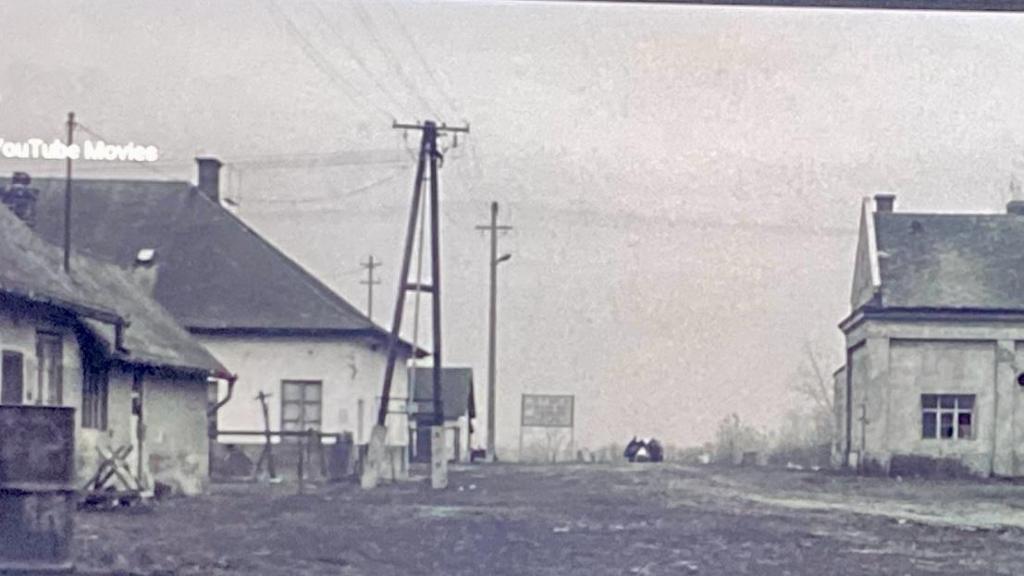
The plot centres on a farming commune in rural Poland at the fall of communism. Man has descended to the level of beast (symbolised by the opening scene with cows milling about), succumbing to his baser instincts.
There’s filth, vice, debauchery, culminating in a suicide and the timely arrival of a mysterious figure with Messianic qualities, the great and cunning Irimais (played by Mihaly Vig), whom they believe will take them out of the dump and restore glory to all.
Satantango: my experience
If you aren’t familiar with Bela Tarr’s work, he is the master of the long shot. The average length of a single shot in this film is around 4 and a half minutes. This makes it around 150 shots across 12 chapters.
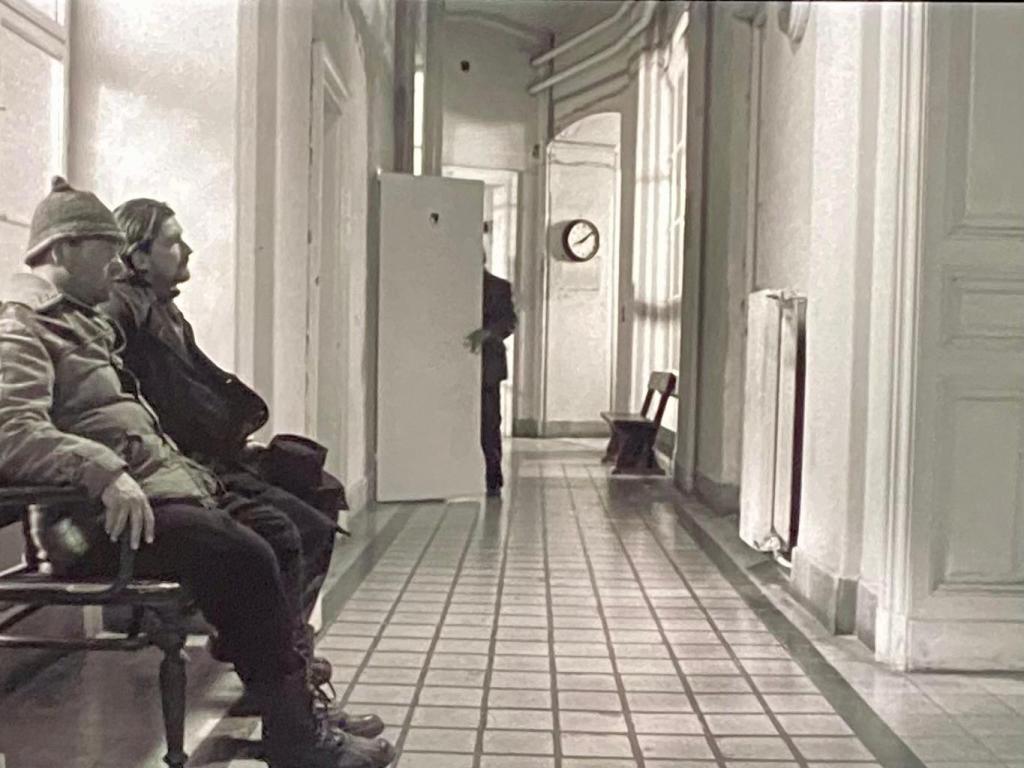
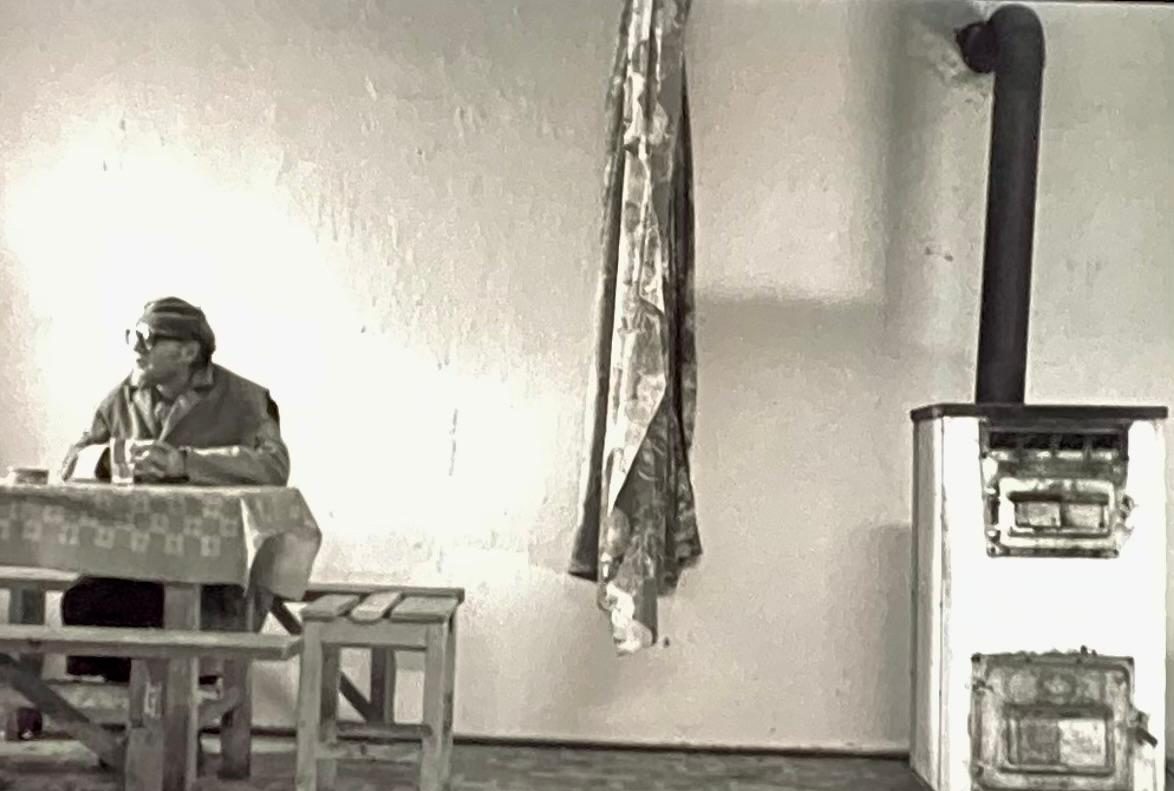
Perspective: this very shot lasted about 6 minutes. Neither character spoke a word. There’s some movement, but not a whole lot. Neither of them have phones or anything to distract them with. They’re just waiting. Patiently. Calmly.
Put it this way; there’s an extended pub scene where the viewer looks on as people dance to the monotonous, repetitive tune of a harmonium for 12 minutes. You might as well be at the pub yourself, perched on a bar stool with a cigarette, taking it all in.
I guess that’s what Tarr intends. About two and a half hours in, it ceases to be a film and becomes part of your very existence. You actually end up bonding with the characters, spending time with them in each and every lingering frame.
As for the emotional pay off? You’re sitting through 7 and a half hours of mundane, albeit scenic, run time for a mere 30 minutes of Irimais’ charisma, including a powerful 12 minute monologue. And boy is it worth it.
Bela Tarr’s warning
In both Satantango and Werckmeister Harmonies, as well as his other films I’m sure, Bela Tarr hints at the collapse of civilisation as we fail to rise above our animalistic desires and embrace a higher level of consciousness.
In the words of Irimais:
“They are slaves who lost their master, but they can’t live without pride, dignity and courage. Yet they don’t feel such qualities reside within them. They only know how to live in the shadow of such things. They follow that shadow like lemmings off a cliff. They can’t live without their fantasies. But when they get too close they can’t handle it.”
I won’t spoil the true motif behind Irimais’s actions, but I will leave you with this one passage from the film that summarises Tarr’s warning:
“Drawn out by the tender sound of the accordion, the spiders in the pub launched their last attack. They sewed loose webs on top of the glasses, the cups, the ashtrays, around the legs of the tables and chairs.
Then, they bound them together with secret threads so that in their hidden corners they’d notice every little stir and more until this almost invisible web would not be damaged.
They sewed a web on the sleeper’s faces, their feet, their hands. Then hurried back to their hiding places, waiting for an ethereal thread to move, to start it all again.”
Relevant to today
Are we also slaves without a master, living in the shadow of pride, dignity and courage? Well, if we are not able to sit through a film without checking our phones. If we’re walking out of great cinematic epics like Nolan’s The Odyssey because our attention spans cannot take it. If we’re chasing fantasies and then getting put out by them. Then perhaps, yes, we, too, are slaves without a master.
It was for this exact reason that I watched Satantango. Earlier I said it was an act of defiance. I want to slightly amend that to: it was an act of necessary defiance. It was my way of standing up to scroll-culture. To mediocre “films” that flit from shot to shot every few seconds. To artificially generated “art” that has no soul. To generic images patched together haphazardly with no meaning.
So go and watch Satantango. No, go and live Satantango. For yours and all our sakes.
Here’s a wee bit of verse to send you on your way, from yours truly:
Ronaldo Nazario sank into his favourite armchair with a beer to watch the Selección play out their semi final grudge match against the industrious Manschaft.
He was cautiously optimistic. They were entering this one on the back of a 4 -1 demolition of a bold Cameroon side.
The ever-present Thomas Muller, not the fastest or the cleverest, but certainly one of the most resourceful, gave his side the lead on the eleventh minute. Still plenty of time to pull one back. No harm done.
But it went from bad to worse. Miroslav Klose–playing in his last World Cup before a well-earned retirement–used his striker’s instinct to slot it home past Julio Cesar. 2 – 0. A minute later, Toni Kroos had an effort from the edge of the box. 3 – 0. Kroos again. 4 – 0.
They were 5-0 up before the half hour mark. Brazil barely had a sniff. Wake up Bernard! Wake up Fred! They were rattled. Scolari looked bamboozled on the touch line. What could he possibly do to turn this around?
Germany were not letting up. It should have been 9, 10. 11 even. But they were merciful. They kept it at 7. Oscar gave the Selección a consolation goal. But it was nothing more.
Ronaldo turned the television off. He’d seen enough. The media would never let this slide. For Christ’s sake when they got knocked out in 2006, it was a total shit storm.
A desecration on our nation’s finest sport
Sheer humiliation
They owe the public an apology
Fenomeno? What Fenomeno?
Fat Ronaldo couldn’t get on the score sheet
Fat Ronaldo squandered his side’s best chance to take the lead in the early stages
Fat Ronaldo goes missing in quarter final show down
Fat Ronaldo? He’ll never be considered among the best in the world
Fat Ronaldo
Fat Ronaldo
Fat
Fat
F…
He buried his face in his hands and stared into the abyss. Numb. A ringing in his ears drowned out the voices in his head.
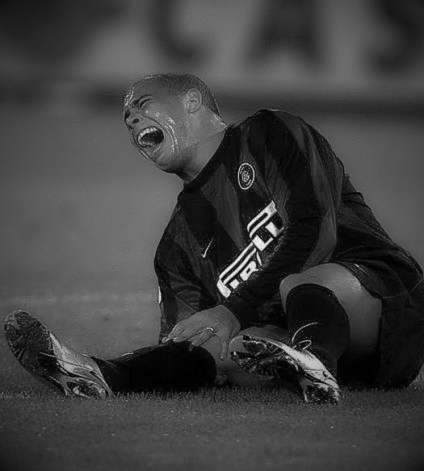
And then there was melody. A sweet sound from a different realm. A white light crept in, but didn’t startle him. It shone down on a solitary figure in the familiar Nerrazzurri 9. He remembered the year. 1999. Right after that horrific injury against Lazio.
It’s Ronaldo on the ball. Attempts a step over and UFF that looked painful! He’s gone down… and it looks like his game is over just six minutes after coming on.
Radio static.
Then:
Unbelievable scenes here at the Nissan Stadium. Ronaldo Nazario comes back from the brink to put Germany to the sword with a crisp double in a remarkable show of resilience. A magnanimous turnaround for the Phenomenon.
Silence.
The white light went out and Ronaldo stared into darkness again. Slowly, he brought his sweaty palms away from his face, returning to his surroundings.
His private space was minimally furnished. Armchair, a small refrigerator stocked with beers and cold cuts. A giant seventy-five inch television screen sitting above a decorative console. Enlarged pictures, commemorating his best days, sat embedded in brass-edged frames along the walls.
His first World Cup goal against Iceland in 1994.
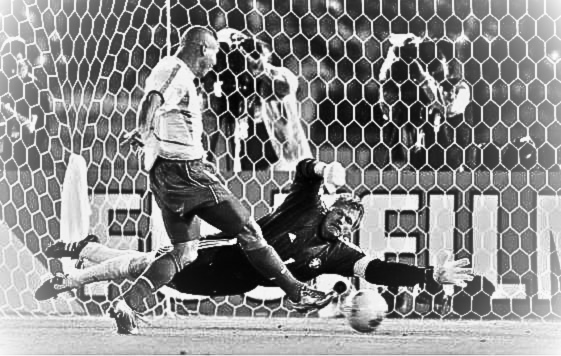
Wheeling away in celebration, while Oliver Kahn is on his knees
Lifting the World Cup trophy in 2002
Pointing to the crowd in the Corinthians shirt during his final appearance
He was starting to tear up. He needed another beer.
As he reached for a can, an angry buzz filled his ears. And then there were the jeers–a livid mob hurling insults at him and Roberto Carlos after their disappointing Copa Libertadores campaign.
He could still see the graffitied wall outside the training ground; the words “Shameless Fatty” sprawled across the off-white canvas in large, child-like letters. Words that had left an imprint on his heart.
Fat Ronaldo
Fat Ronaldo
Fat
Fat
F…
He summoned all the willpower he could muster to relinquish his grip on the beer can. He slammed the refrigerator door shut. “Four years ago in Milan I found out that I was suffering from a problem that is called hypothyroidism…”
Hypothyroidism: A condition that slows down the metabolism-
Excuses.
For the first time since he hung up his boots, Ronaldo wept. The tears came thick and fast, but he simply allowed them to flow down his cheeks. He had devoted 16 years of his life to football. A game that was at once beautiful and ugly. The game that lifted his spirit. And then broke it.
The people who had once cheered him on emphatically, were the same people that turned their backs on him when things went sour.
Hypothyroidism: A condition that slows down the metabolism-
Excuses.
His favourite was Oliver Kahn on his knees. Begging for mercy as the great Phenomenon bore down on him and mercilessly put away the rebound following Rivaldo’s effort from range.
“Shameless Fatty.”
That damned wall again. It made his blood boil. He glanced down and saw his fists were clenched; the nails digging into his palms. His jaw had tightened as well.
Fat Ronaldo
Fat Ronaldo
Fat
Fat
F…
He let out a scream of anguish, lashing out with his right foot, hitting the bundle of leather right on the sweet spot, sending it flying into that wall of sacrilege.
Explosion. Bricks everywhere. The dust settled, revealing a silhouette of football’s worst nightmare. Taut muscles clinging onto his lean, yet ample frame. Bulging quads accentuated by intense musculature. A goalscoring machine with a killer instinct. The Fenomeno lived within him. The Fenomeno forever.
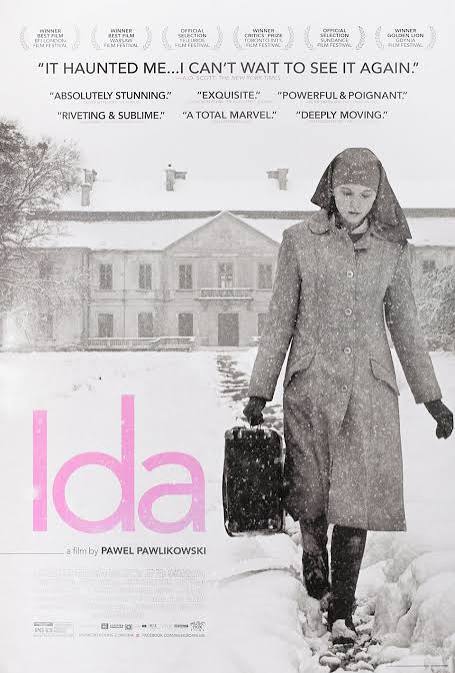
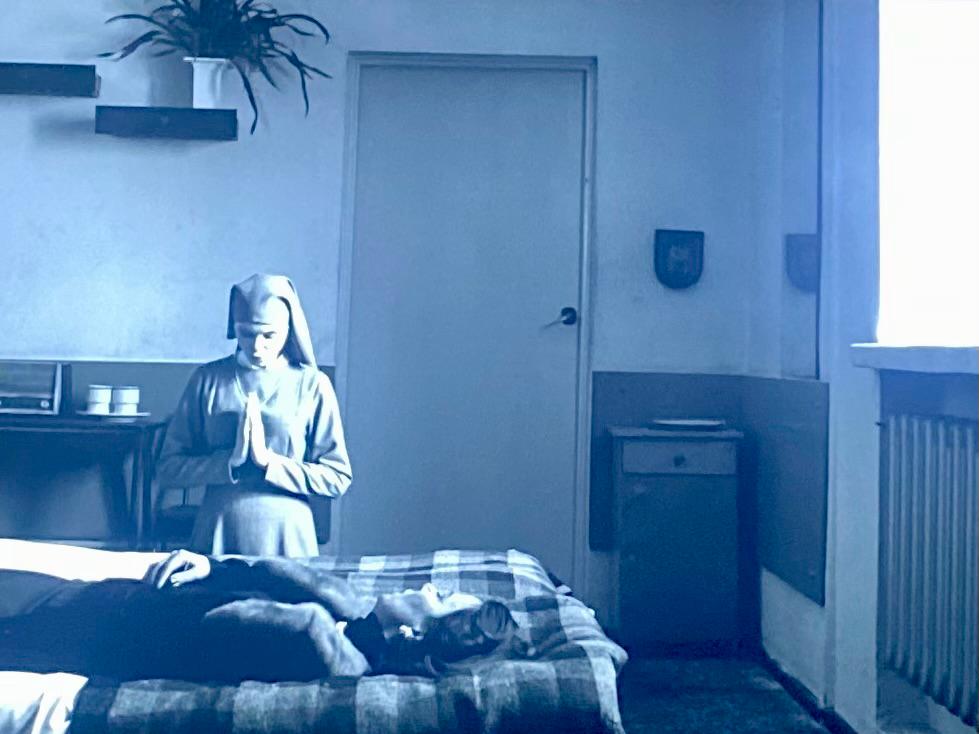
Set in a bleak post-war Poland in 1962, the story follows a young girl, Anna (nee Ida), who joins a convent after she’s orphaned.
Just as she’s about to take her vows, her Jewish heritage comes to light and she’s sent to her only known relative; a Devil-may-care aunt.
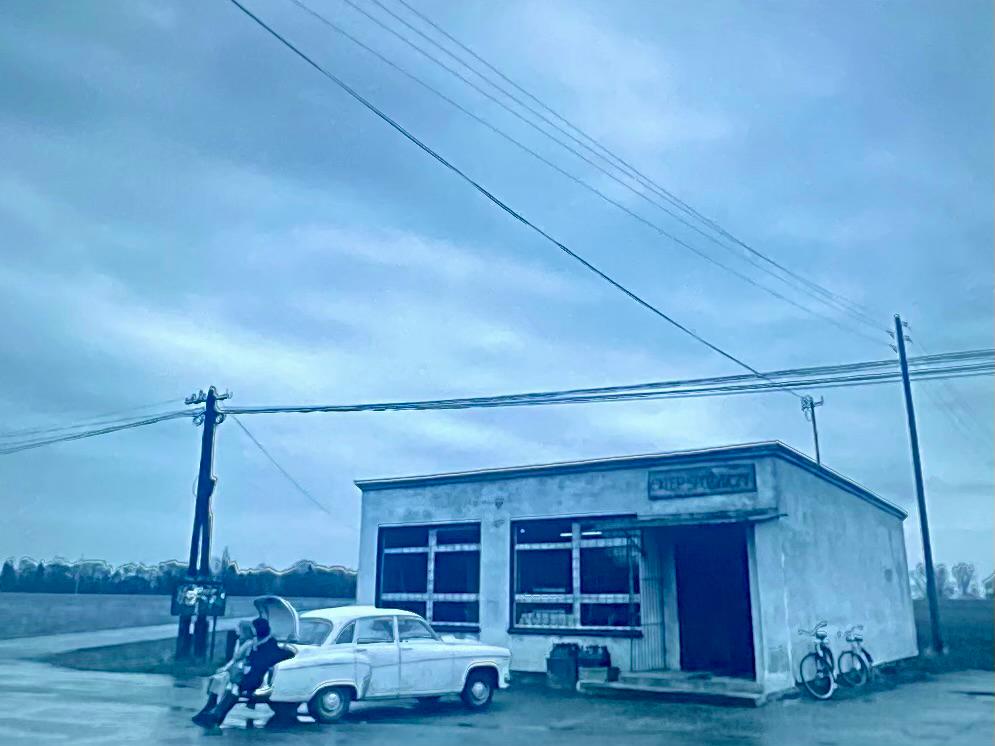
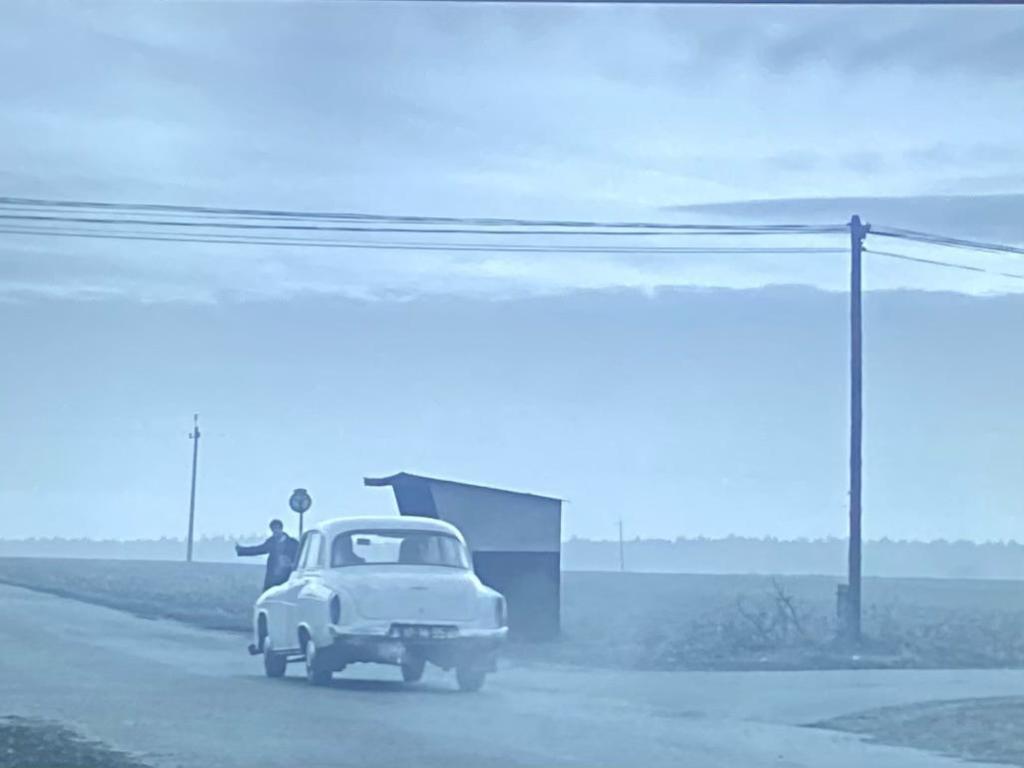
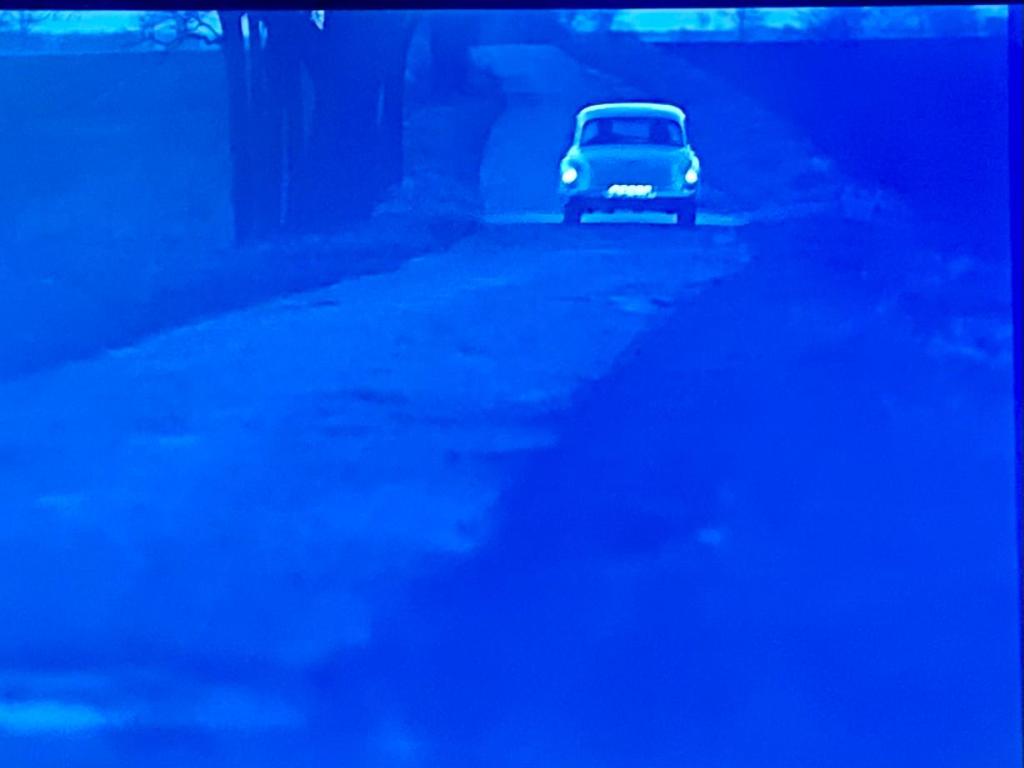
Keen to find out what happened to her parents, Ida and her aunt set off on a road trip. And so begins a great Odyssey through pain masqueraded as nonchalance, with themes of suffering, resistance and anti-Semitic sentiment raising the roof of this stunning piece de resistance.
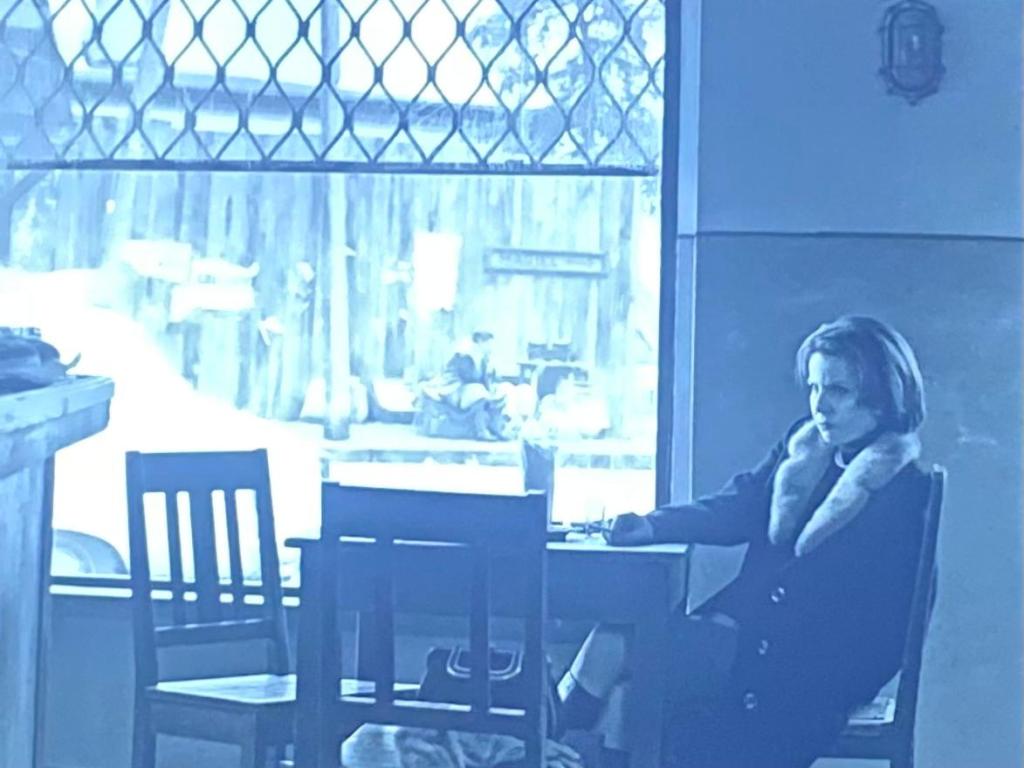
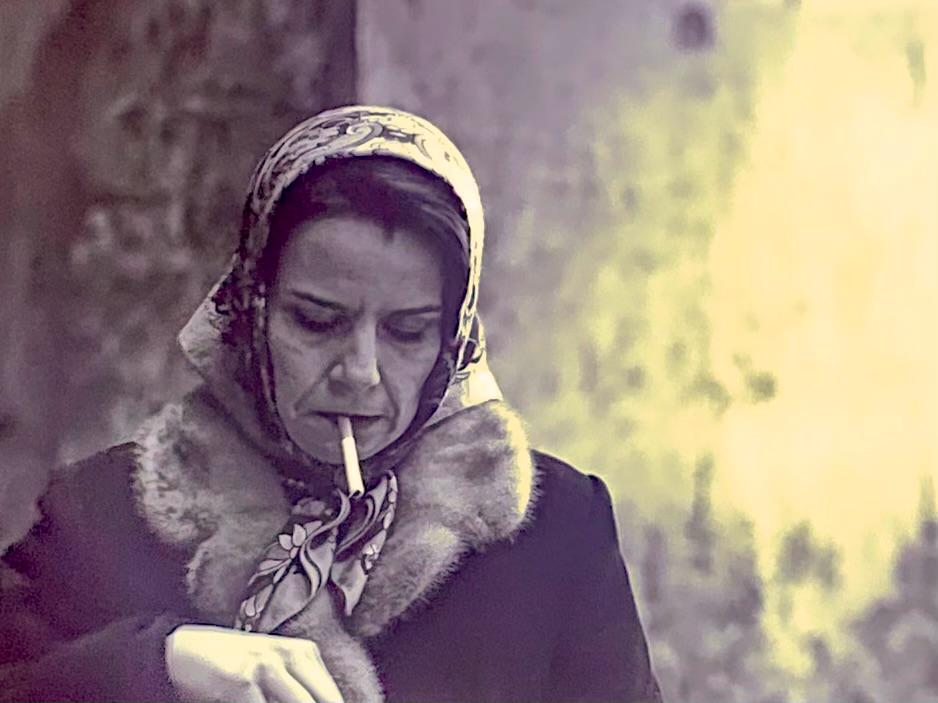
Aunt Wanda steals the show
Ida, for her part, was fantastically portrayed by Agata Trzebuchowska, who was apparently discovered at a cafeteria in Poland.
But for me, it was all about Aunt Wanda. I was wholly captivated by this woman and her on-screen display of bravado. To summarise her in a single word: gumption. She could make blokey Polish blokes cripple before her. And she was antithetical to the convent and everything Ida believed a woman should be.
Bold. Daring. Free.
In her words “Jesus loved people like me” with a tongue-in-cheek reference to the controversial figure of Mary Magdalene.
But as the film wears on, and certain hidden truths are exposed, dents appear in that steely facade. And when the mask finally falls off towards act three, we see a broken woman who had never really come to terms with the tragic death of her son and her sister, having thrown herself into vice and work.
In the end, she could avoid it no longer. She had to look it right in the eye, even though it cost her her life.
Ida’s choice; the moment everything came together
When Ida refused to take her vows, it seemed as though she’d escaped being confined in a cage for the rest of her life under the watchful glare of Mother Superior.
She decides to follow in her aunt’s footsteps, partaking in every vice she’d been exposed to (including Cole Porter), before the moment of truth.
In bed with her lover, Ida asks what’s next. The young man – a jazz musician they happened to pick up along the way – tells Ida of his plans to marry her and have children.
To my utter shock and surprise, Ida chooses to take her vows after all, preferring the safety of the convent and Mother Superior to being chained to this jazz musician for life.
Was it the right decision?
It depends on who you ask. Back in 2008, after school, I was preparing to join a monastery. I was ready to take my vows and renounce material possessions for the life of a monk.
But then our family’s head priest turned me down. He told me that wasn’t my path. That I had to go out into the world and forge my own.
In a way, I’m glad he said that. I couldn’t imagine committing myself to a lifetime of austerity, missing out on all the little pleasures that the material world has to offer. Most importantly, my wife and son.
In the end, we must all make our choices. Some choose to brave the world, as twisted and messed up as it can be. While others prefer to hide behind the walls of a monastery or convent, turning a blind eye to all things that have no relevance in their little sanctity of (ignorant) bliss.
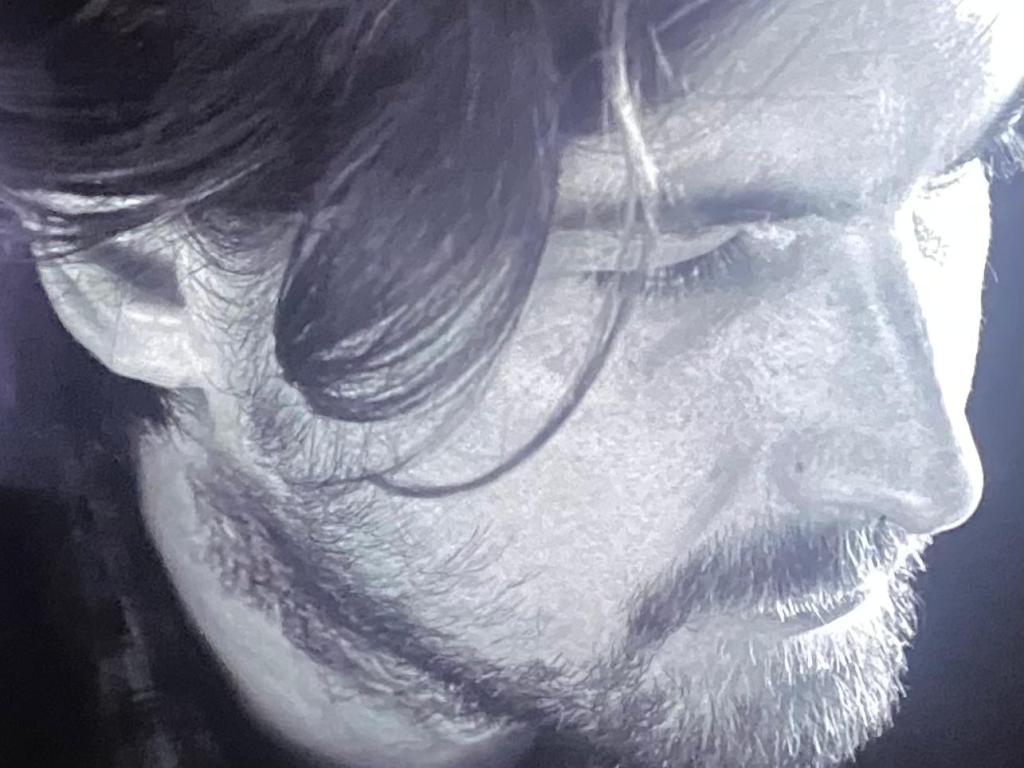
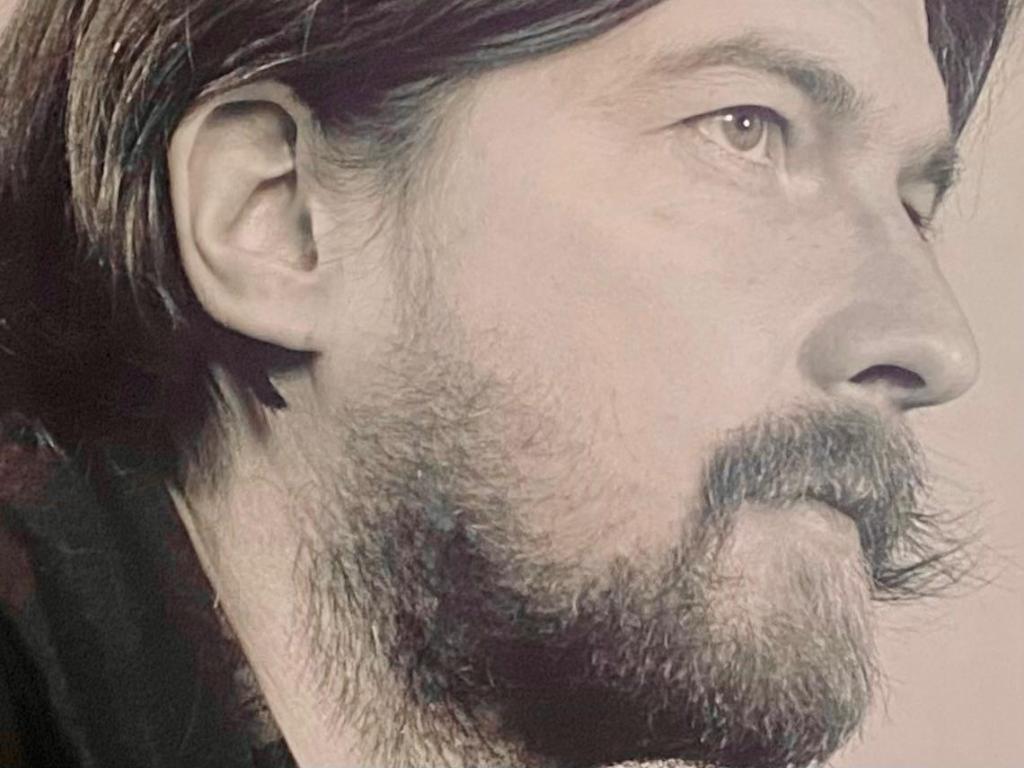
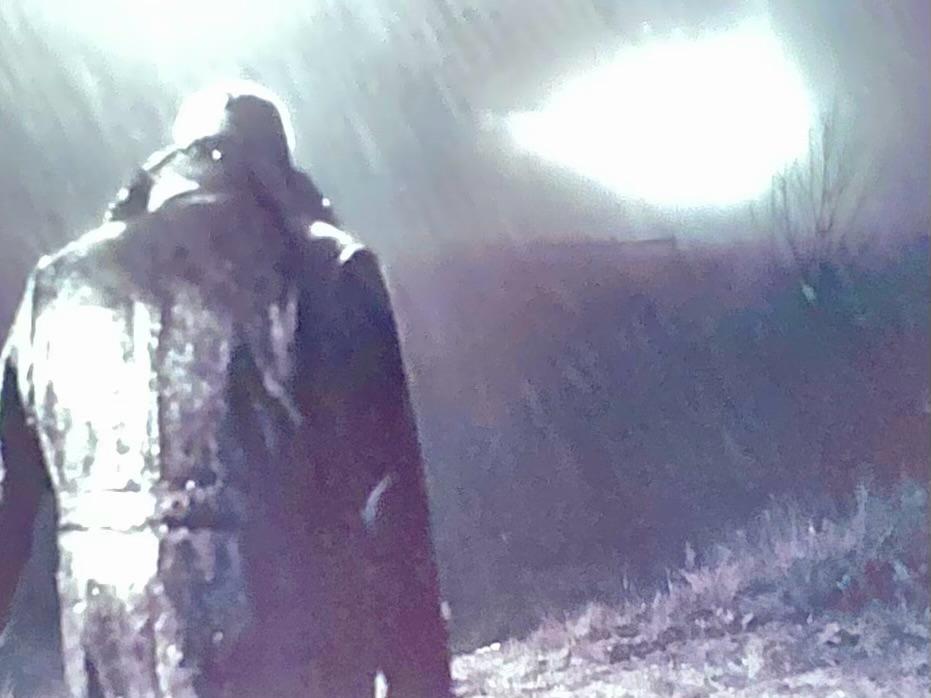
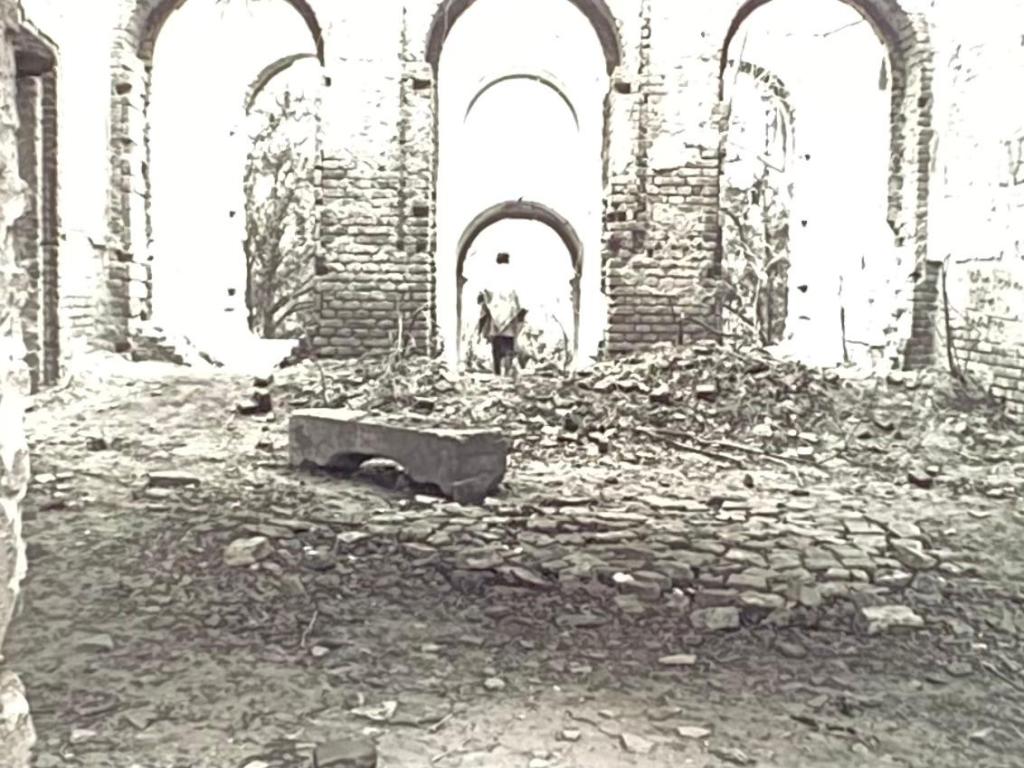
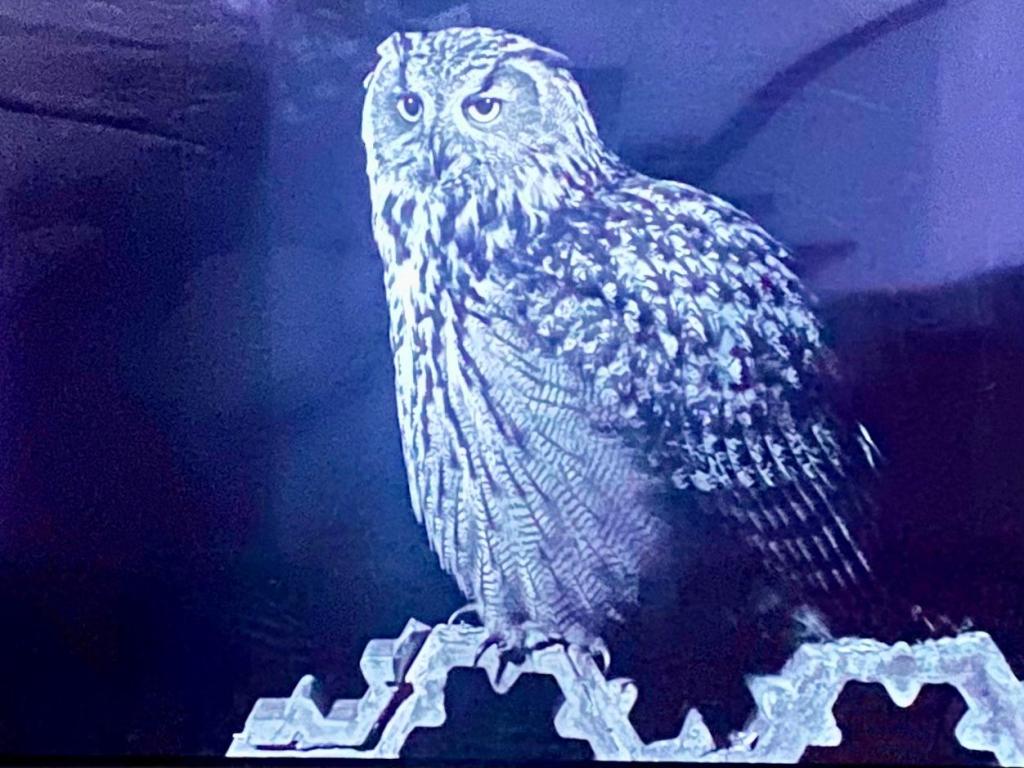
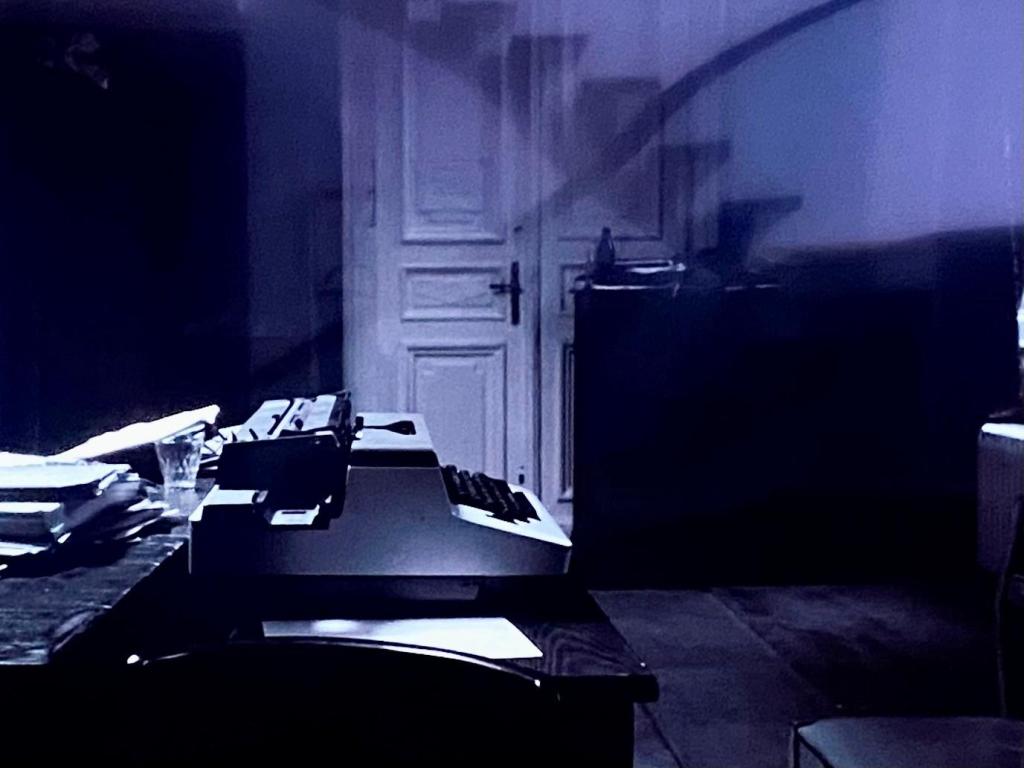
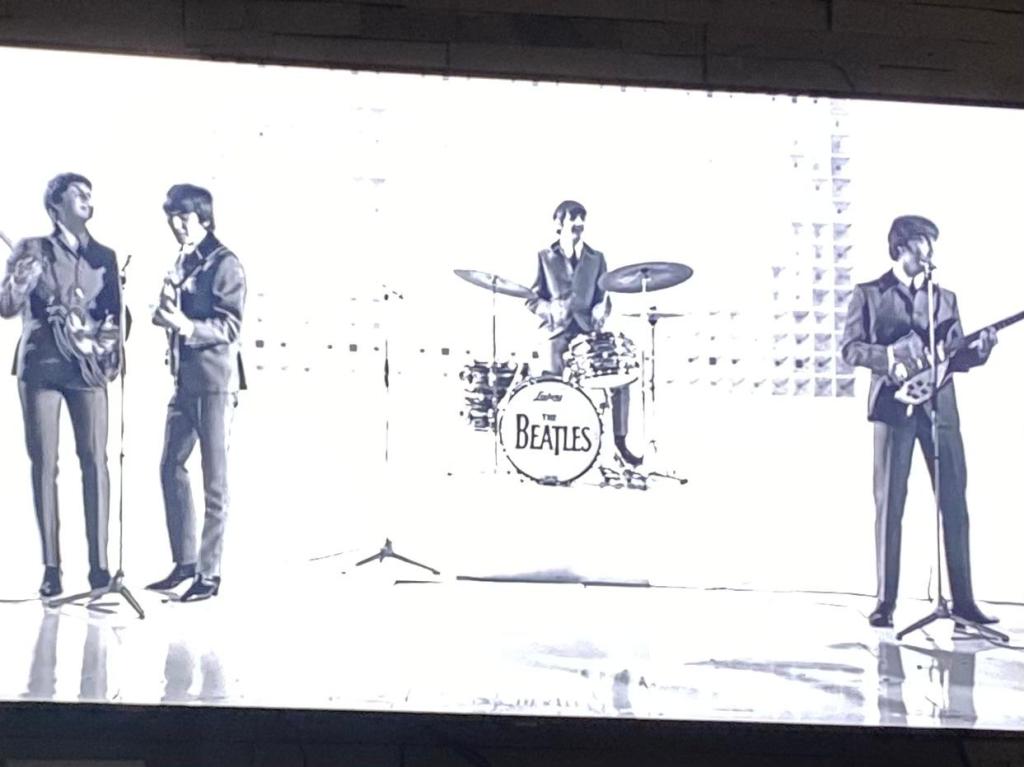
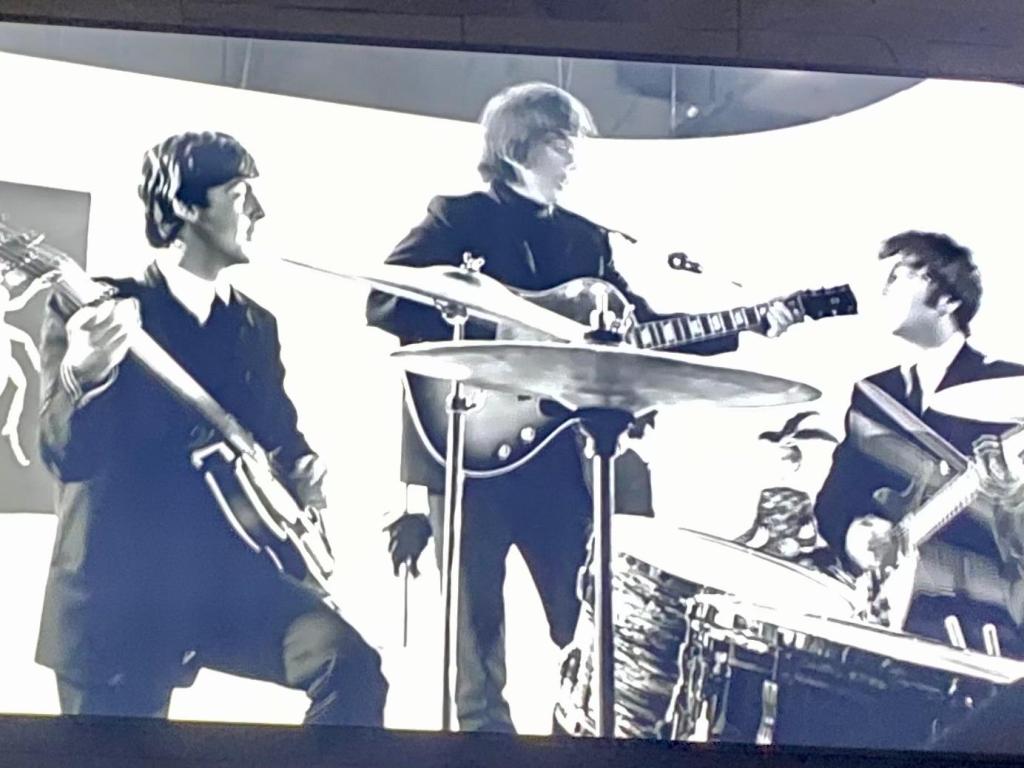
Here are some of the moments I captured on my phone’s camera:
In true non-linear fashion, I’ll work backwards with my experiential takeaways from Art Film Club with Bill Crandall.
This was the fifth instalment and after the severe austerities presented in Oscar-winning Ida, this one really cranked up the volume in a spiral of joy and wonder.
Just as a heads-up: I’ll often take snaps straight from the television screen on my iPhone 11, so a) I don’t own the rights to any of these images and b) I’d rather use them than a perfect version off the web, because why not?
What’s it about?
In a word? Beatlemania. It’s 1964 and four Liverpuddians that go by John, Paul, George, Ringo are off to perform at an unnamed location.
Is it a day in the life of…? Kinda. Is it something more? Certainly.
A brilliant script meets authentic performances
Basically, it was the Beatles being… the Beatles. Though there was a scene in there with John Lennon that was quite hilarious. It’s a “you had to be there” sort of thing (don’t want to spoil it for you).
Now I’ve listened to a fair few Beatles songs in my lifetime. Let it Be. Hey Jude. Yellow Submarine.
Yes, they’re talented musicians. Yes, they’re fun. But this film showed me a side to the Beatles I’d never experienced before. It showed me an idiosyncratic detail that neither Hey Jude nor Yesterday could fully capture. At least not in my mind, and not without context.
Was it George’s nonchalant coolness? Paul’s wholesome sweetness? John’s edgy humour (I never even thought of him as funny before!)? Or Ringo’s slightly self-deprecating take-it-on-the-chin attitude (George: “ah, you’ve got an inferiority complex, you have” Ringo: “Yeah I know, that’s why I play the drums – it’s me active compensatory factor”)? The answer: all of the above.
And it was exactly lines like the ones mentioned in parentheses that made this one stand out for me. As an aspiring screenwriter, I was enthralled by the witty exchanges, prompted by Alun Owen’s impressive screenplay and performed admirably – and authentically – by the awesome foursome. Was it Owen’s writing? Was it just them? That will remain an open-ended question, but to me it was all just part of the magic.
Grandpa McCartney the ‘x’ factor
Tagging along with the Beatles is a mysterious “clean” old man, who’s very “clean” (repeated for emphasis as apparently actor Wilfrid Brambell was known in a previous role for being “dirty”).
As the journey wears on, we begin to question who this old man is. Paul claims it’s his grandfather, or second grandfather (laugh out loud). He’s sometimes addressed as “Mister McCartney” and other times treated as an outsider. An imposter even.
Given the surrealist bent this film has taken, it wouldn’t surprise me if he was a figment of their imagination! Whoever he was, he was HILARIOUS. Definitely the comic relief (not that it needed comic relief).
The one interesting aspect of his character is how he managed to get into Ringo’s head as we headed towards the final act. That, coupled with him trying to sell “autographed” (read forged) Beatles posters to screaming girls made me feel like maybe he’s the Devil himself.
If you’ve seen the film, I’d love to hear your thoughts on who you think he is. Bravo, mister Bramball!
The cure for depression
Sometimes life can be pretty dull. You just watch it pass you by, wondering if there’s any magic left. And this was it. It was a magical interpretation of Beatlemania in a time when people needed it most.
We think about the 60s and how difficult that must have been. But I’d like to think that these four lads from Liverpool managed to tear down the Iron Curtain with their wit, humour, talent and – above all – authenticity.
And I’ll definitely be back for more Beatles.There’s Peter Jackson’s (yes the Peter Jackson) epic 3-part “documentary” Get Back to look forward to. Now that will be 8-hours well spent!
I first met Bill Crandall at a restaurant as part of a wider gathering of friends. The first thing I remember saying to him was, “nice hat!” It was indeed, a nice hat. But that was just the beginning.
It wasn’t until our third meeting at a mutual friend’s birthday party that I actually got to know Bill.
I don’t usually do well at parties. I either withdraw completely and hide in a corner, or I overcompensate for my introvert tendencies with over-the-top bravado.
So you can imagine the relief when I found myself one-to-one with Bill over the chip and dip bowl inside the house.
We got to talking. And as Bill talked, my fascination grew. Photography, movies, art. People walked in, grabbed a chip, and walked out. But Bill and I didn’t move.
It was decided. Bill would host an art house film club at his house for six weeks starting the following Wednesday. And the rest was history.
This isn’t your average movie-going experience. This is transcendental.
Bill made one thing clear. This isn’t a party where a bunch of guys goof around while some mediocre flick plays in the background.
To be fair, Bill – and his lovely wife, Mariama – proved to be excellent hosts. A selection of beers. Pizza. Some nibbles for in-between.
But that wasn’t what I was there for.
I walked into the unknown, expecting the unexpected. And boy was I swept up in a strange, surreal Odyssey through cinematic art, with Bill as my guide.
Art can change the world
I’ll share my thoughts on each film in individual posts. But on the whole, Bill’s carefully curated selection has transformed me in ways I could never imagine.
From Bela Tarr’s Hungarian masterpiece, “Werckmeister Harmonies”, to Alun Owen’s brilliantly written “A Hard Day’s Night” featuring our favourite musical foursome, each film has peeled a different layer of cumulated social muck, slowly revealing me to myself.
My world has slowed down. I now see with my heart, not just my eyes. I’ve picked up on certain sensibilities that had evaded me for so many years.
Bill said to me yesterday that “art can change the world. Don’t believe me? Ask someone who lived through the Iron Curtain how they felt when they saw the Beatles for the first time. They gave people hope where there was none, courage when it was needed and the will to live when it had all but dissipated.”
Needless to say, my own life has changed for the better. And to think it all started with a comment about a hat. It sure was a nice hat.
Thank you, Sir Bill, for bringing me through the doorway, out of the AI-slop, generic, cookie-cutter world and into a world filled with dreams, curiosity and real, true, art.
If you want to learn more about Bill and his work, check out his blog. You won’t regret it, believe you me.






 Just Me Lakhani